
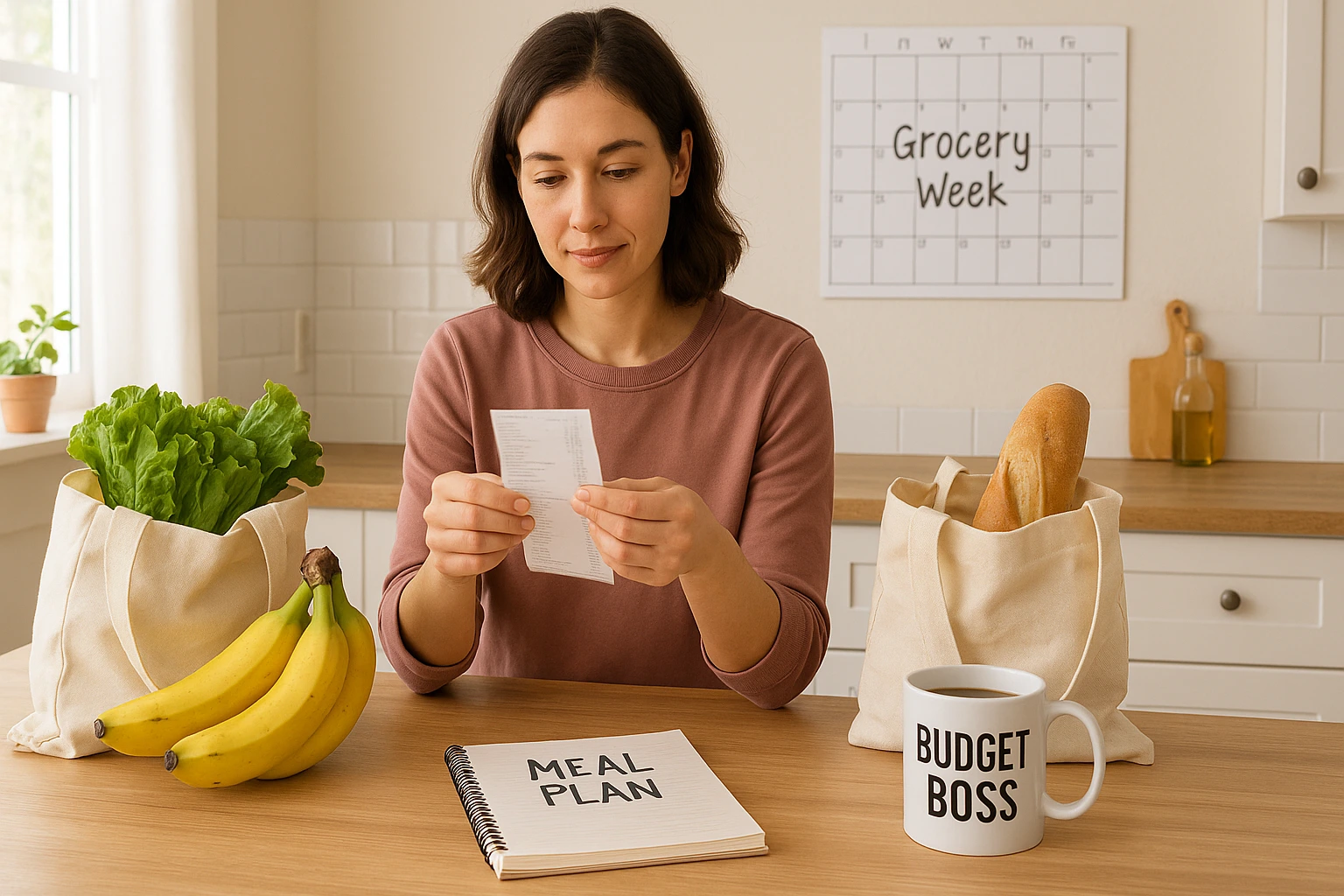
If you searched for “grocery shop save money”, you’re probably looking for a repeatable way to cut grocery costs without chasing every coupon. Focus on three moments: what you plan before the trip, what you add in the store, and what happens to the food afterward. If one stage is leaking money, fix that leak first.
Start with the four rules below for the fast answer. Then, if you want a number to work toward, use the calculator to set a trial target and choose whether planning, impulse extras, or food waste deserves your attention first.
As an Amazon Associate, I earn from qualifying purchases.
Table of Contents
- Four Rules for Keeping Grocery Costs Down
- Grocery Savings Target Calculator
- Plan Before You Shop
- Spend Less in the Store
- Stop Paying for Food You Don’t Use
- Make the Savings Easier to Repeat
- Review the Bigger Picture With the 30-Minute Money Reset
- Frequently Asked Questions
- Make the System Stick
Four Rules for Keeping Grocery Costs Down
These four rules cover the main decisions before, during, and after a grocery trip.
- Plan from what you have: Check the fridge, freezer, and pantry, choose a few meals, and list the quantities you actually need.
- Compare the real unit cost: Compare brands and package sizes on the same basis; a bigger pack only helps when you will use it.
- Treat deals as substitutions, not additions: A sale or coupon is most useful when it lowers the cost of something already on the plan.
- Waste less before cutting harder: Make older food visible, store it appropriately, and plan leftovers before buying more.
If you want to turn those rules into a number for your next few trips, use the calculator to set a trial monthly and weekly target, then choose the leak you want to fix first.
Grocery Savings Target Calculator
Enter what you spend now and the monthly reduction you want to test. Then choose the grocery leak you want to tackle first. This is your planning target, not a benchmark for what a household should spend.
Keep that target in mind as you move into the tactics below. Start with the section that matches your leak; the goal is to change one repeatable behavior before piling on more rules.
Plan Before You Shop
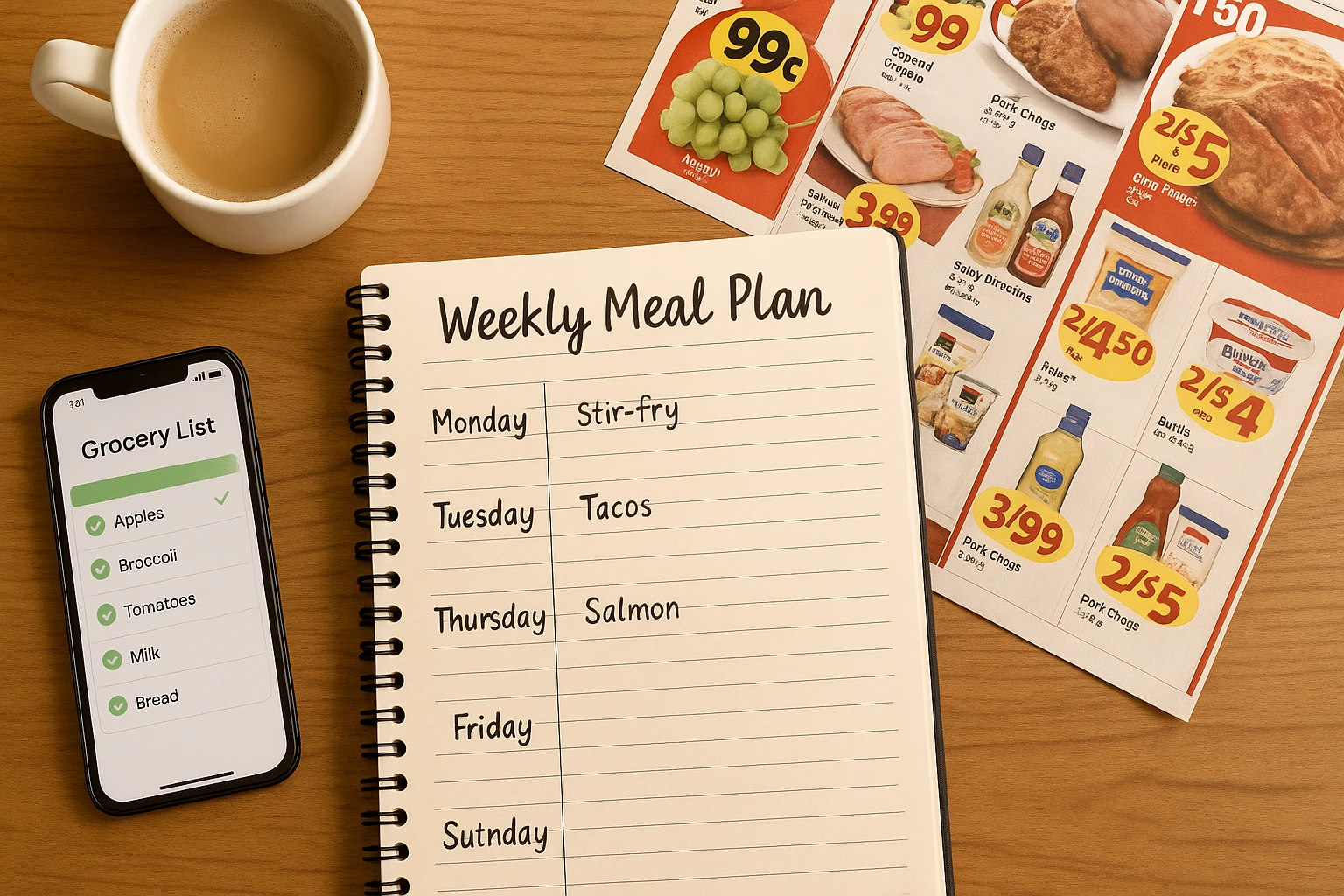
Planning gives you a chance to remove duplicate and unplanned buys before they reach the cart. It also connects the grocery list to the rest of your budget, so you decide what the basket needs to do before you walk into the store. If groceries are only one part of a broader spending reset, our guide to living frugally and saving money can help you connect this weekly plan to the rest of your expenses.
Check What You Have First
Before you choose meals, scan the fridge, freezer, and pantry for food that is already open, needs using soon, or would otherwise be easy to buy twice. Think of it as shopping your pantry before you shop the store. AnyList supports organized shopping lists and meal planning, while Pantry Check supports household inventory and restock tracking; a simple spreadsheet or paper list can handle the same basic job if that is easier to maintain.
- Start with what needs using: Put open packages, produce, leftovers, and older freezer items at the top of the plan.
- Keep inventory simple: Track only the items you routinely forget or duplicate rather than cataloging every spice and condiment.
- Group staples: Keep similar pantry items together so a quick shelf check tells you what is actually missing.
- Label where it prevents waste: Date freezer packages and hard-to-identify leftovers. A marker or simple tape is enough for many kitchens.
Plan Meals Around What You Have
Once you know what is already available, choose a few meals you realistically expect to cook and list only the missing ingredients. USDA SNAP-Ed recommends meal planning, shopping lists, and budgeting as practical ways to save money while planning healthy meals. If you follow a specific diet, build the plan around affordable staples you already know you’ll use.
- Start Small: Plan 3–4 meals per week and scale up as you get comfortable.
- Use Theme Nights: Simplify with Taco Tuesday or Pasta Night when a repeatable template makes planning easier.
- Plan Around Sales: Let a useful sale replace or shape an ingredient you already need instead of adding a new purchase to the basket.
- Build Flexible Meals: Keep a few low-cost combinations around staples such as lentils, rice, beans, frozen vegetables, or other ingredients you reliably use.
Build a List You Can Follow
A shopping list keeps you focused and helps you stick to your budget by reducing unplanned extras. A few impulse items can quickly undo the savings from a carefully planned basket, especially in busy stores where promotions and displays compete for attention.
- Base It on Your Meal Plan: List only what your meals require.
- Organize by Store Layout: Group items to streamline your trip and avoid impulse buys.
- Pause on Extras: If an unplanned item goes in the cart, decide what it replaces or why the added cost is worth it.
- Remove One Trigger: If hunger or rushing usually knocks you off the list, change that condition before the trip when you can.
- Add Quantities: Note specific amounts (e.g., 2 lbs chicken) to avoid overbuying.
Spend Less in the Store
Once the list is set, the in-store job is comparison: brand, package size, unit price, and whether a promotion changes the item you actually need. A deal that expands the basket can cost more than skipping the deal.
Compare Store Brands
Store brands can cost less than name brands, so they are worth comparing on the products you buy repeatedly. Start with a few staples, compare ingredients and unit prices, and keep the lower-cost option when the quality works for you.
- Compare Ingredients: Similar-looking products can have different ingredients, so compare labels as well as price.
- Start with Staples: Try store-brand milk, eggs, or flour first.
- Experiment Gradually: Test other products to find favorites.
Compare Unit Prices
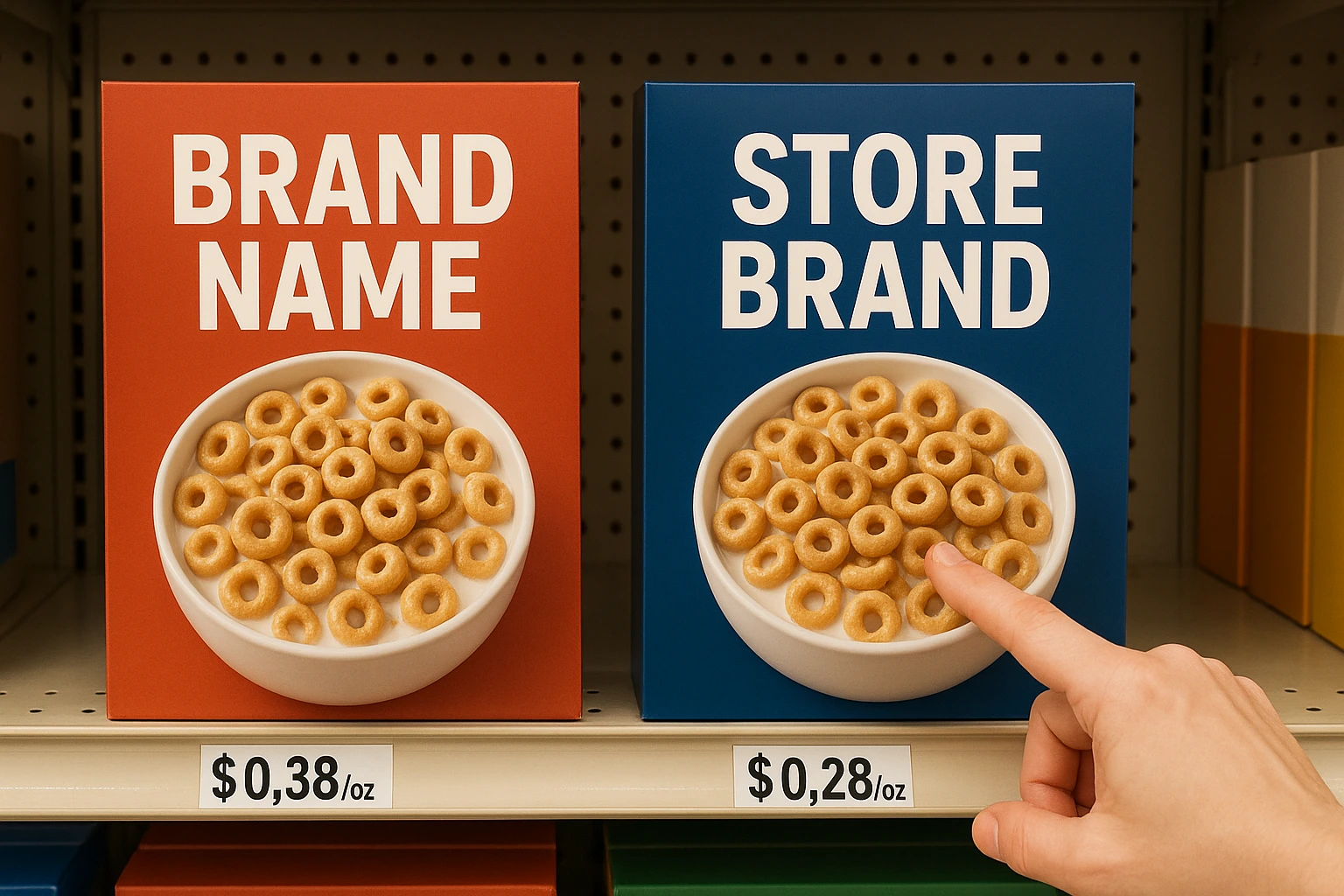
Unit pricing helps you compare different package sizes on the same basis. Shelf tags often show a unit price; when they do not, divide the price by the relevant quantity. A larger package is not automatically the better value, so compare the unit price and whether you will realistically use the larger amount.
| Product | Size | Price | Unit Price (per oz) | Lower Unit Price? |
|---|---|---|---|---|
| Name-Brand Cereal | 12 oz | $4.50 | $0.38 | No |
| Store-Brand Cereal | 18 oz | $5.00 | $0.28 | Yes |
If you buy the same few staples every week, write down the unit price of five items you purchase often. You do not need a full price book; a small reference makes it easier to tell when a sale, larger package, or different store is actually beating your usual option.
Use Sales and Coupons
Sales and coupons can trim your grocery bill when they apply to items you already planned to buy. Store apps and cashback services may also reduce the effective cost of selected purchases, but a discount is only useful when it does not tempt you to buy something that was not otherwise worth purchasing.
- Weekly Flyers: Check for sales and promotions.
- Digital Coupons: Save or activate them in your store account when available.
- Stack Coupons: Combine store and manufacturer coupons only where the retailer’s terms allow it.
- Rewards Apps: Ibotta uses cash-back offers, Fetch uses receipt-based rewards, and Rakuten offers cash back at eligible retailers; check the current offer terms before relying on a rebate.
Use Loyalty Programs Selectively
Store loyalty programs can offer member-only prices, targeted coupons, or promotional credits, but the features and eligibility vary by retailer and can change. Check your regular store’s current terms, and treat a reward as useful only when it applies to something you already planned to buy.
- Review the Program: Check whether membership costs anything, what purchases qualify, and how rewards or offers expire.
- Save Relevant Offers: Activate discounts tied to purchases you already planned.
- Track Credits: If the program uses points or promotional credit, know when and where you can redeem it.
Compare Seasonal, Frozen, and Canned Produce
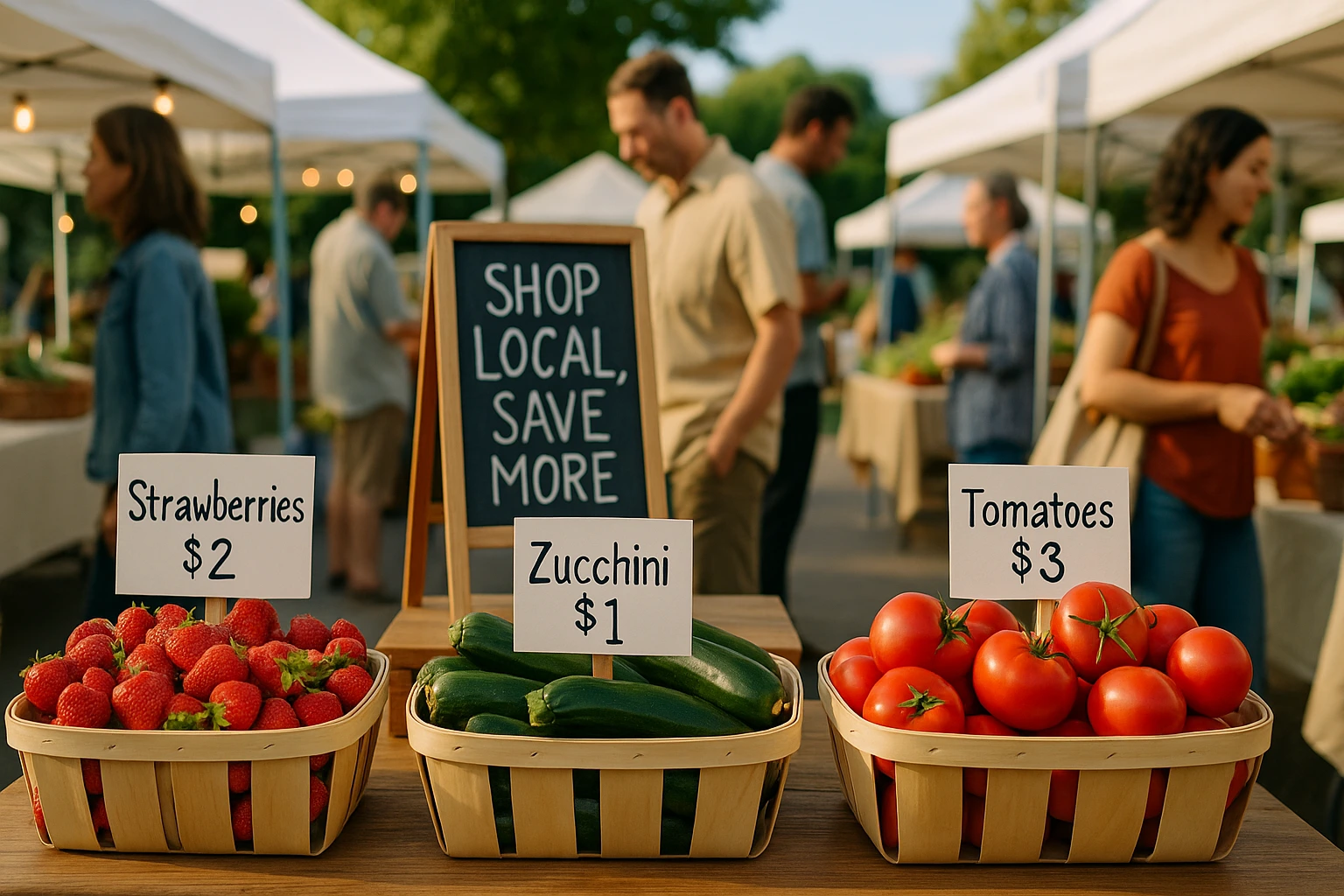
Seasonal produce can be a good value when local supply is abundant, but do not assume it is automatically cheaper. Compare unit prices with frozen, canned, and other fresh options, then buy only the amount you can use or preserve safely. Freezing suitable produce can extend its usable life; canning requires following a tested food-safety process.
Want a community-sourced angle on the same problem? See our cheap grocery shopping tips from Reddit.
Stop Paying for Food You Don’t Use
Reducing food waste protects money you have already spent. USDA currently cites an estimate that 30–40% of the U.S. food supply is lost or wasted and says the average American family of four loses about $1,500 a year to uneaten food. The practical takeaway is simpler: buy amounts you can use, store them correctly, and make older food visible before buying more.
Understand Food Date Labels
Food date labels can help with quality and inventory, but they are not all expiration or safety dates. FDA notes that U.S. packaged-food dating is not uniform and that “Best if Used By” is intended as a quality signal. The date on a package does not replace safe storage times or a food-safety check.
- Best if Used By/Before: A quality date for best flavor or quality, not generally a safety cutoff.
- Sell By: A store inventory/display date rather than a consumer safety deadline.
- Use By: Usually the manufacturer’s peak-quality recommendation; infant formula is an important federal exception.
Store Food Properly
Good storage protects food only when the method fits the food. Keep refrigerated leftovers sealed and visible, freeze suitable foods before you forget them, and organize the freezer so older items do not disappear behind new ones.
- Refrigerate Promptly: Put perishable groceries away soon after the trip.
- Use Appropriate Containers: Seal leftovers and dry goods as appropriate rather than treating one container type as right for every food.
- Freeze Suitable Foods: Freeze portions you will not use soon, following safe storage guidance for that food.
- Use Older Food First: Keep older items visible and label freezer packages so they are easier to work into the next plan.
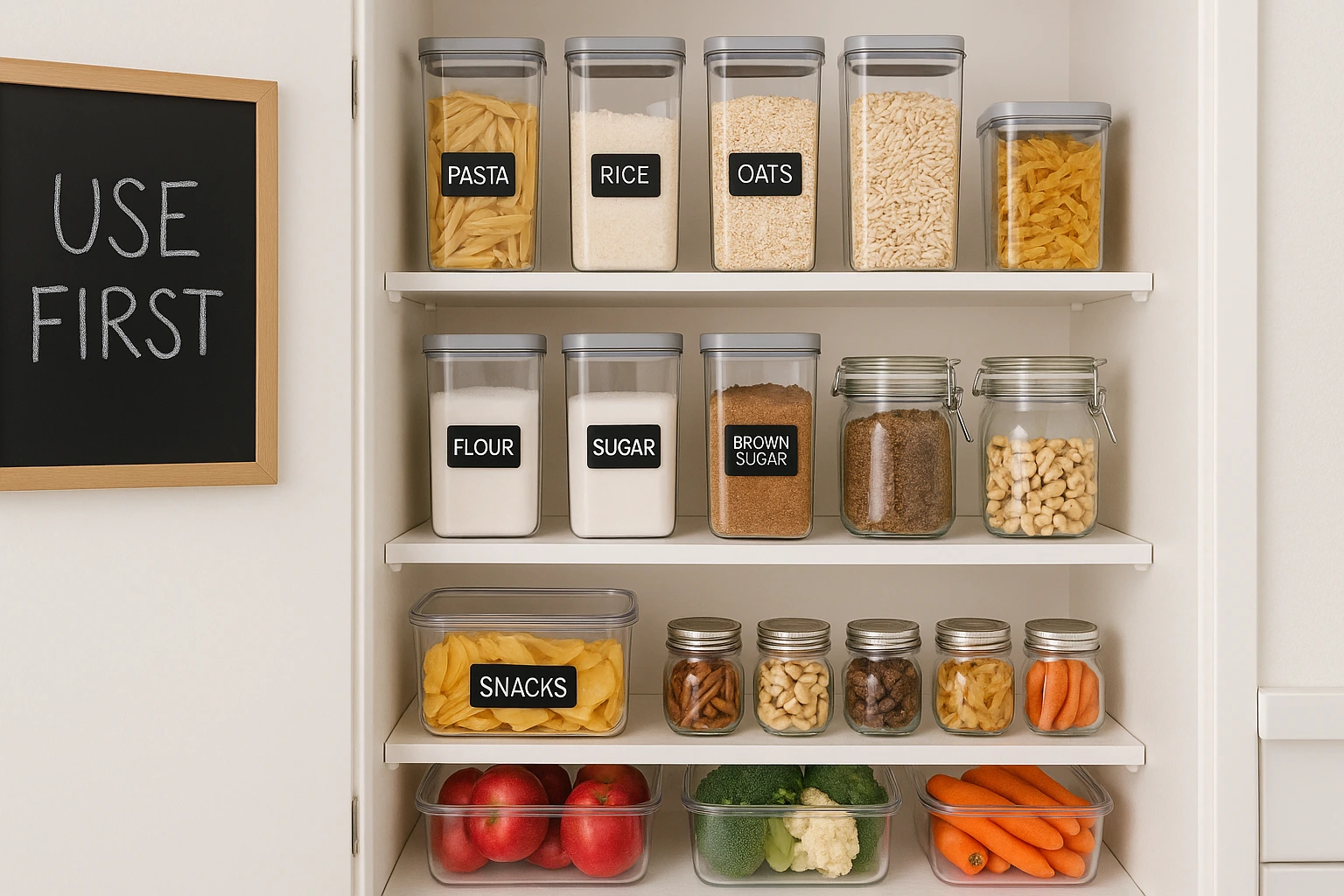
If leftovers keep disappearing in the fridge: clear, stackable containers can make the “use older food first” rule easier to follow. The Rubbermaid Brilliance 10-Piece Food Storage Set includes five containers and five lids. Skip it if your current containers already seal well and keep food visible.
Turn Leftovers Into the Next Meal
Repurposing safely stored leftovers can stretch ingredients you already paid for. For instance, roasted vegetables can become part of a soup or grain bowl instead of being forgotten in the fridge. Use only leftovers that have been stored safely, then match the idea to what you actually have.
- Stir-Fry: Combine leftover vegetables and protein with rice or noodles.
- Soup: Simmer suitable leftover vegetables, grains, or cooked proteins with broth.
- Salad Toppers: Use leftover grains or meat to enhance salads.
- Freezer-Friendly: Freeze leftover portions for quick meals later.
Make the Savings Easier to Repeat
Once the basics are working, the next job is not to collect more tips. It is to make the useful habits easier to repeat and to use one shopping trip as evidence for the next.
Batch Cook What You Already Planned
Batch cooking can save time and make planned ingredients easier to use before they spoil. For instance, a pot of chili can cover several meals or freezer portions, reducing the need to improvise another dinner later in the week.
- Freezable Recipes: Choose soups, stews, or casseroles.
- Start with One Batch: Double one meal or prep a few components when you already have time.
- Portion Storage: Store in single servings for easy meals.
Review One Receipt Before Changing Everything
After a grocery trip, look for one or two purchases that were unplanned, duplicated, or more expensive than expected. Use that evidence to choose the next adjustment—your list, the unit price you compare, or the quantity you buy—instead of adding a new rule every week. This small review loop also gives you a better answer the next time the calculator asks which leak deserves attention.
If the grocery bill is only one part of what you’re reviewing, this is a natural point to zoom out to the rest of your money.
Review the Bigger Picture With the 30-Minute Money Reset
Track income, spending, up to 8 debts, and up to 8 goals; the SNAPSHOT sheet totals everything automatically.
Confirm to get the workbook and frugal money tips. Unsubscribe anytime.
Something went wrong. Please check your email address and try again.
Frequently Asked Questions
Make the System Stick
A grocery budget works better as a repeatable system than as a hunt for every possible deal. Pick one leak from the calculator—planning, impulse extras, or waste—set a trial target, and use the next three shopping trips as a test.
After those trips, look at what actually changed: did the total come down, did food still go unused, or did the target make the basket unrealistic? Keep the habit that helped, adjust the target when needed, and ignore tactics that only make shopping more complicated. A grocery system you can repeat is more useful than one “perfect” trip.
This guide is general educational information, not personalized financial or food-safety advice. Grocery costs vary by household and location. Follow current food-safety and storage guidance for the foods you use, especially when preserving, freezing, or storing leftovers.

