
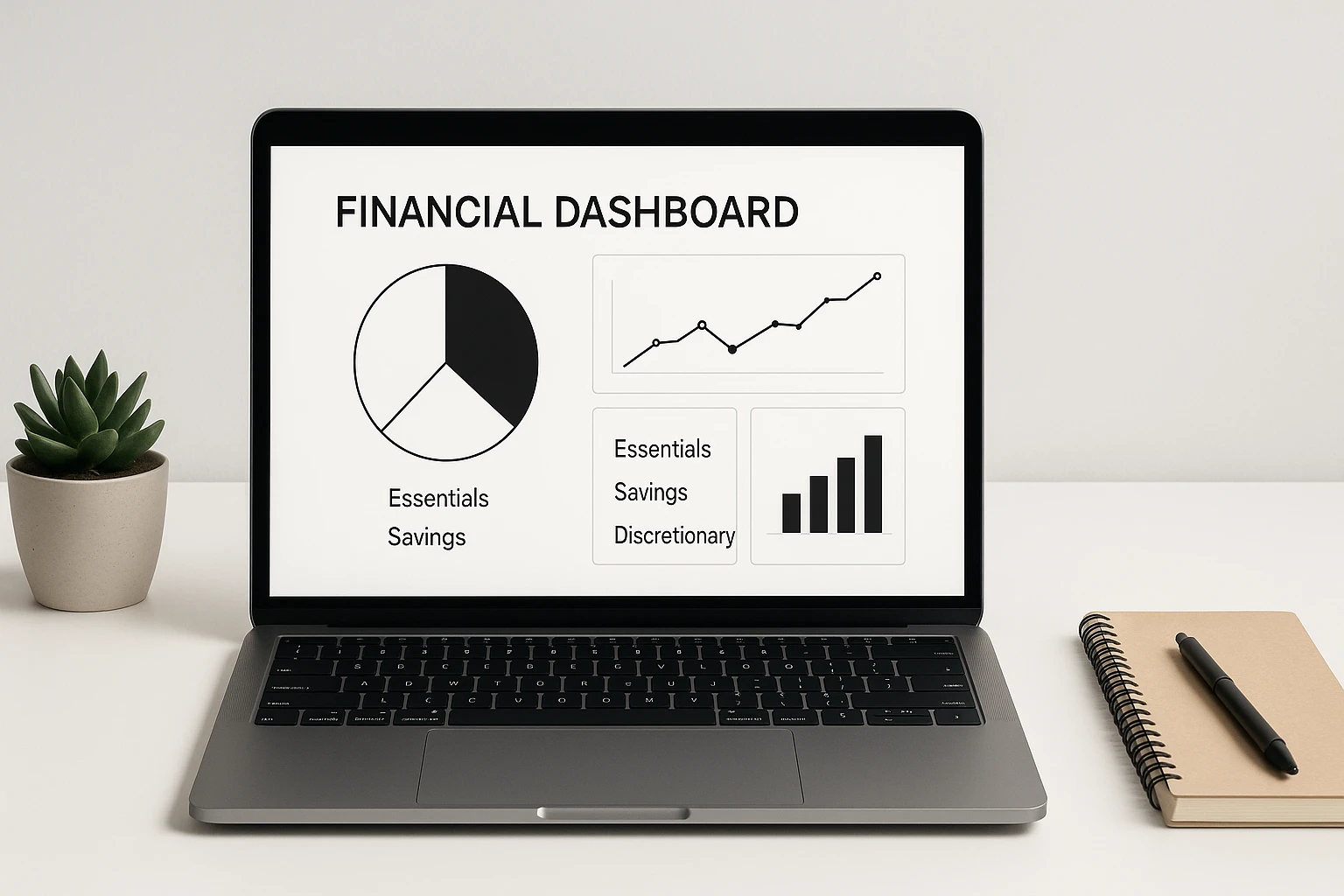
Do budgeting apps make your head spin? You’re definitely not alone. I used to lose hours to clunky spreadsheets and half-finished budgets. Once I leaned on a few great budgeting tools, everything finally felt simpler. In this guide, I’ll walk you through seven minimalist tools that keep my money calm and my life lighter—so you can swipe less, stress less, and actually stick with your budget. If you want the bigger foundation behind the habits, start with this broader money mindset guide.
This page contains paid links, including Amazon links. As an Amazon Associate we earn from qualifying purchases. If you buy through our links, we may earn a commission at no extra cost to you. Learn more.
Quick Budget Simplicity Check
See how streamlined your budget feels right now.
If you’d rather start paper-first, these three picks make the analog tools below feel effortless.
My 3 Favorite Screen-Free Starters
Top 3These are the screen-free picks from the “paper planners” and “wallet trackers” tools below. (Apps and templates come next.)
Undated Budget Planner Book (A5)
Great if you want a calm routine without pressure—undated pages make it easy to pause and restart without guilt.
- Best for: Paper-first budgeting with simple categories
- Format: A5 undated budget book
Cash Envelope Wallet Budget System
If swipes sneak up on you, this makes limits visible—so spending stays intentional and surprisingly simple.
- Best for: Keeping small categories from drifting
- Format: All-in-one cash envelope wallet
Pocket Expense Tracker Notebook (4×6)
A tiny expense log keeps you aware without adding another app—perfect for quick notes when you’re out and about.
- Best for: Mindful spending anywhere
- Format: Small 4×6 expense tracker
Table of Contents
- Quick Budget Simplicity Check
- Key Takeaways for Great Budgeting Tools
- What is Simplified Budgeting?
- Why Choose Simple Budgeting Tools?
- The 7 Best Budgeting Tools for 2026
- Frequently Asked Questions
- The Future of Budgeting
Key Takeaways for Great Budgeting Tools
- Discover minimalist budgeting tools designed for a streamlined, clutter-free approach to managing your money.
- Explore both digital and analog options to find the perfect fit for your lifestyle, including free and paid solutions.
- Learn practical tips for implementing a simple budget, from automating savings to identifying unnecessary expenses.
- Understand how to choose the best tools based on your individual needs, avoiding complexity.
- Get ready for 2026 with a financial strategy that prioritizes clarity, control, and peace of mind.
What is Simplified Budgeting?
Instead of obsessing over every cent, simplified budgeting is about zooming out to see the big picture—figuring out where your money’s going, spotting areas to tweak, and spending in a way that feels true to you. It’s all about building a simple, sustainable system that doesn’t stress you out. A simple way to begin is to pick one budgeting method and try it for a month before making changes. For more on pairing simplicity with savings, see how minimalism can save you money.
“Simplifying isn’t about cutting everything out—it’s about making space for what really matters to you.”
Why Choose Simple Budgeting Tools?
Traditional budgeting used to stress me out—never-ending spreadsheets, rigid rules, and no time to keep up. Sound familiar? But the right budgeting tools make everything feel much more manageable. Here’s why I can’t get enough of them:
- Less Stress: They make budgeting feel easy and approachable, not like a huge burden.
- Clear Focus: They help me zero in on what really matters—like my income, key bills, and savings goals—without drowning in details.
- Flexibility: Life’s full of surprises, and these tools let me adapt without overthinking it.
- Meaningful Spending: They nudge me to spend on what I truly value, not just random stuff.
- Time-Saver: They free up my time by keeping things simple, so I can focus on living.
For further insights into budgeting strategies, check out NerdWallet’s guide to budgeting.
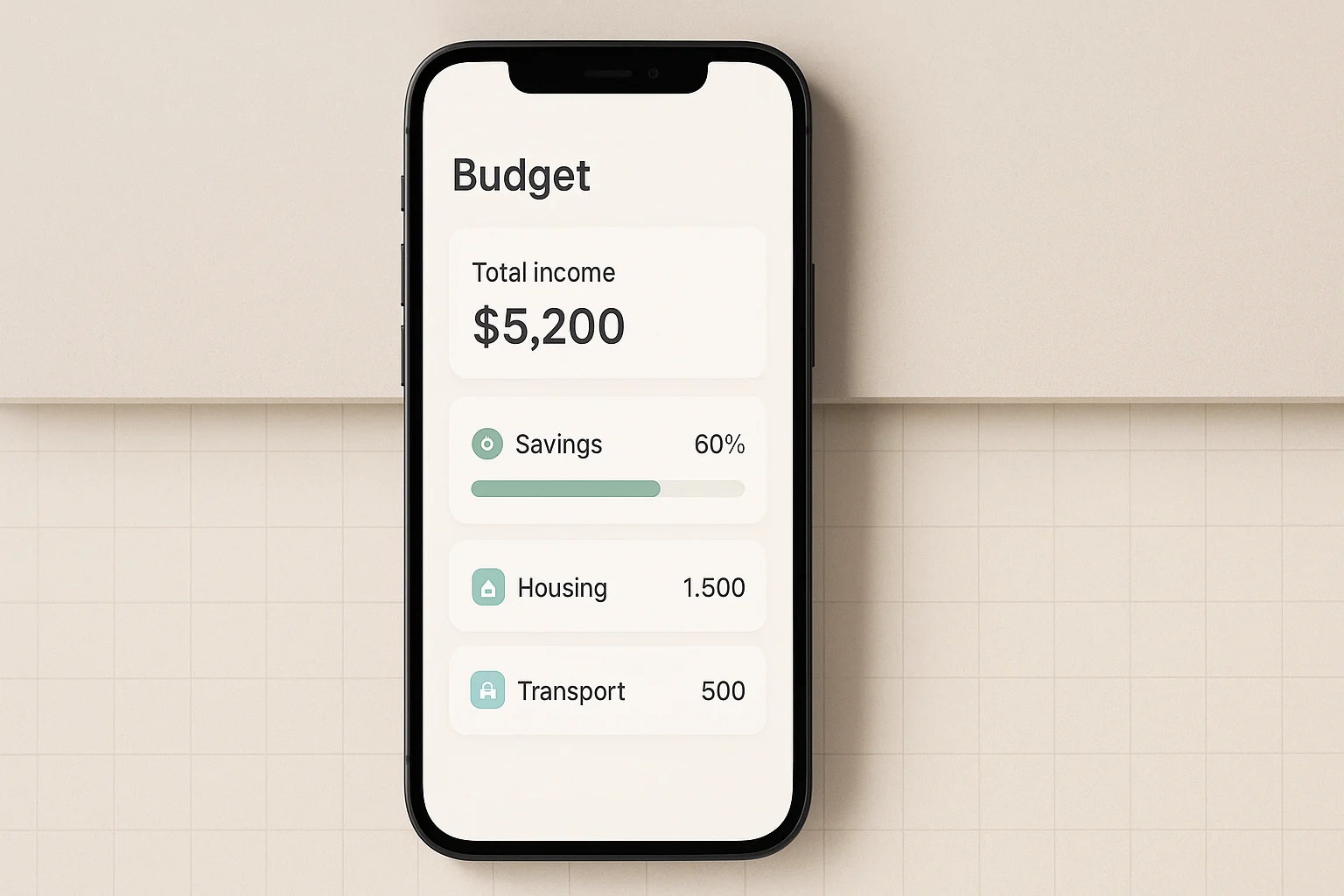
7 Great Budgeting Tools for 2026
Here’s a curated list of seven top tools available in 2026, categorized by their approach and features to help you choose the best fit:
Envelope-Free Digital Budgeting Tools
These apps offer the benefits of the envelope budgeting system (allocating funds for specific categories) without the hassle of physical envelopes.
1. You Need a Budget (YNAB)
YNAB has been a huge help for me among simple budgeting tools. It’s all about giving every dollar a purpose with four simple rules: assign your money a job, plan for big expenses, stay flexible, and let your money “age” (think saving before spending). It’s a paid app, but the features and tips it offers make it totally worth it for me. If you’re tackling debt, you might find debt snowball vs. avalanche helpful.
- Why it’s one of the best: Ideal if you want a hands-on, rules-based system that gives every dollar a job.
- Features: Real-time spending tracking, goal setting, debt management, reporting, and educational resources.
- Simple Appeal: Focuses on intentional spending and planning, rather than restrictive tracking.
- Pricing: Subscription-based.
2. Monarch
Monarch’s my go-to for a clean, all-in-one finance app. It links to my bank accounts, automatically sorts my spending, and lets me tweak budget categories to fit my life. It’s a fantastic alternative to Mint, which shut down in March 2024, leaving a lot of us searching for a new home for our budgets.
- Why it’s one of the best: Perfect if you want a visual, all-in-one dashboard for cash flow, investments, and goals.
- Features: Automated transaction tracking, investment tracking, customizable dashboards, and collaborative budgeting (for couples).
- Simple Appeal: Clean interface, automated tracking, and focus on overall financial health.
- Pricing: Subscription-based.
Simple Budget Apps
These simple budget apps keep things straightforward, focusing on the essentials without overwhelming you with extra features.
3. PocketGuard
PocketGuard is one of my favorite tools because it shows me what’s left to spend after bills and savings. It syncs with my bank accounts and sorts transactions automatically, so I don’t have to.
- Why it’s one of the best: Great if you just want a quick “can I afford this?” number each day.
- Features: Automated spending tracking, bill tracking, savings goals, and a “PocketGuard” feature that shows you how much you can safely spend each day.
- Simple Appeal: Simple interface, focus on essential budgeting features, and automatic transaction categorization.
- Pricing: Free version with limited features; paid subscription for advanced features.
4. Goodbudget
Goodbudget’s digital envelope system is perfect for visual folks like me. It helps me divvy up my income into spending categories, keeping things clear and intentional.
- Why it’s one of the best: Ideal if you like envelope-style planning and want to share budgets with a partner.
- Features: Envelope budgeting, debt tracking, goal setting, and cross-platform syncing.
- Simple Appeal: Focuses on intentional spending and allocation of funds, rather than detailed tracking.
- Pricing: Free version with limited envelopes; paid subscription for unlimited envelopes and other features.
Simple Spreadsheet Templates
I love how spreadsheet templates let me build a budget that’s all my own. They’re super flexible, letting me tweak categories to fit my needs, and keep things clean and simple—a great fit for simple budgeting. Whether it’s tracking income or savings goals, they give me total control without any clutter.
5. Google Sheets Simple Budget Template
I love using Google Sheets for budgeting because it’s free and lets me customize everything to fit my life. There are tons of simple templates online that keep things clean and easy—perfect for tracking income, expenses, and goals without any fuss. Want more free options? Check out free financial tools for savers.
- Why it’s one of the best: Best for spreadsheet lovers who want full control and zero subscription fees.
- Features: Customizable categories, automatic calculations, visual charts, and collaboration features.
- Simple Appeal: Complete control over the budget design, ability to tailor it to specific needs, and free access.
- Pricing: Free.
- Template Example: Search “Simple Budget Template Google Sheets” for various options.
Analog-Friendly Budgeting Tools
Tired of staring at screens all day? That’s when analog budgeting tools really shine. They feel more hands-on, slow you down just enough to notice your habits, and help you stay mindful about every swipe or purchase.
6. Printable or Paper Budget Planners
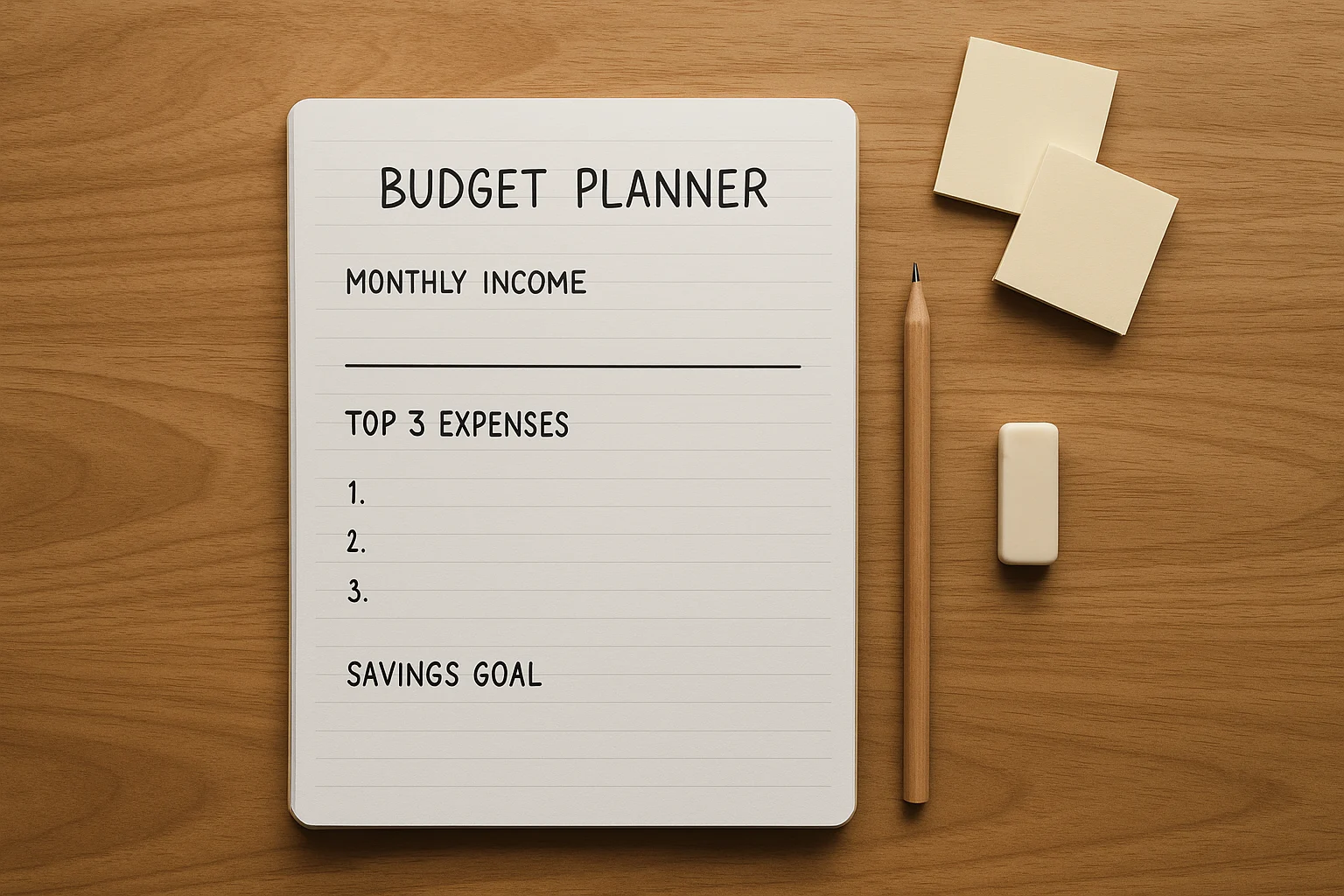
Printable budget planners are my go-to when I want to keep things chill and screen-free. I’ve found tons of layouts online that make tracking income, expenses, and goals feel thoughtful and straightforward. And if printing isn’t your thing, a simple bound budget book can give you the same calm, low-friction routine without any screens.
- Features: Physical record-keeping, mindful budgeting, and a break from screens.
- Simple Appeal: Simple and straightforward, eliminates distractions, and promotes a more intentional approach to spending.
- Pricing: Depends on the design, but usually pretty affordable (just printing costs).
If you want a ready-to-use paper option, see the Top 3 screen-free starters above.
7. Wallet-Sized Trackers
I love using small notebooks or budgeting cards to jot down my spending wherever I am. They’re super handy, slipping right into my pocket, and keep me clued in on my cash flow without needing an app. These pocket-size tools are a simple, hands-on way to stay mindful about my finances.
- Features: On-the-go tracking, immediate awareness of spending, and a tangible connection to your finances.
- Simple Appeal: Compact, discreet, and eliminates the need for electronic devices.
- Pricing: Really budget-friendly—think a few bucks for a notebook or card.
If you like staying mindful on the go, I included my favorite pocket trackers in the Top 3 screen-free starters.
Not sure which budgeting tool to start with?
Use this quick mini-quiz-style guide to match a tool to your budgeting personality:
- If you love structure and clear rules: Start with YNAB.
- If you want an all-in-one money dashboard: Try Monarch.
- If you just want to know what’s safe to spend today: Test out PocketGuard.
- If you like envelope-style planning: Choose Goodbudget.
- If you enjoy spreadsheets: Use a simple Google Sheets template.
- If you prefer paper and reflection time: Go with printable planners or wallet-sized trackers.
Frequently Asked Questions
The Future of Budgeting
As we head deeper into 2026, I’m seeing more and more people turn to simple budgeting tools to simplify their finances. With everyone craving less stress and more clarity, I bet we’ll see even cooler, user-friendly apps and resources pop up. Whether you go with an app like YNAB, a Google Sheets template, or a trusty notebook, the key is finding what clicks for you. Start by running your numbers through the Quick Budget Simplicity Check above, pick one tool to test for the next 30 days, and put a quick check-in on your calendar. One small experiment at a time is all you need to build a calmer, simpler financial life—you’ve got this. 💰
This content is for informational purposes only and not financial advice. Consult a professional before making financial decisions.

