

Spending leaks are sneaky—a coffee here, a quick click there. Reclaiming even a few adds up fast. These 18 frugal living tips make it simple to start today. Take the quick self-assessment below to get your starting point — and for the bigger picture, see our how to live frugally and save money.
Frugal Spending Assessment
Answer honestly; this is about habits, not income — plenty of readers report meaningful savings from meal planning and trimming subscriptions, so take this quick quiz to see where you stand.
This post contains affiliate links. If you buy through our links, we may earn a commission at no extra cost to you. Learn more.
Table of Contents
- 1. Master Budgeting
- 2. Cook at Home
- 3. Cut Cable for Streaming Savings
- 4. Reduce Energy Costs
- 5. Shop Smart
- 6. DIY and Repair
- 7. Enjoy Free Entertainment
- 8. Negotiate Bills
- 9. Automate Savings
- 10. Cut Transportation Costs
- 11. Downsize Your Home or Car
- 12. Trim Subscriptions
- 13. Cultivate a Frugal Mindset
- 14. Use the Sharing Economy
- 15. Learn Free Financial Education
- 16. Leverage Technology
- 17. Plan for Emergencies
- 18. Maximize Cash-Back and Reward Programs
- Frugal Spending Assessment
Frugal Living Tips: Key Takeaways
- Stay mindful with money: Track spending, cut waste, and prioritize what matters.
- Make the most of what you have: Save on energy, cook at home, and enjoy low-cost fun.
- Get hands-on with DIY: Fix and repurpose before replacing.
- Use tech to save: Budgeting and price tools make these habits easier.
- Think frugal, live simple: Keep long-term goals in focus and simplify.
1. Master Budgeting
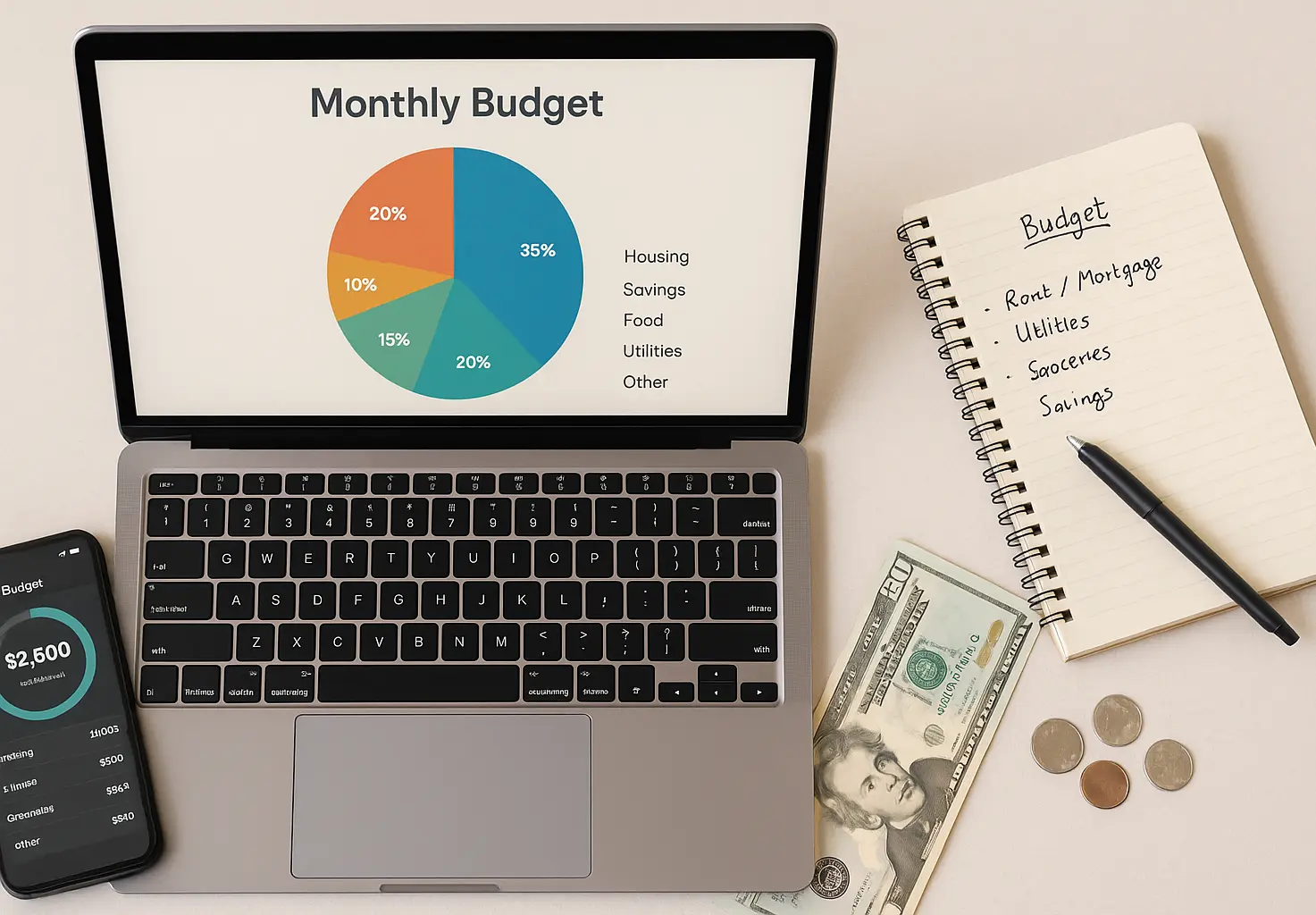
Among these frugal habits, budgeting is the foundation. Without a plan, spending drifts. Many people find that tracking expenses and canceling unused subscriptions quickly frees up cash. For more budgeting strategies, explore our guide to smart budgeting habits.
Track Your Expenses
Use a budgeting app or a simple spreadsheet to spot patterns—like frequent takeout.
Find Spending Leaks
Identify small, frequent buys that add up over time. Redirect those dollars to savings.
Create a Realistic Budget
Allocate income to essentials, savings, and a modest fun category. Consistency beats perfection.
Stick to Your Budget
Review weekly and adjust as life changes. Small tweaks compound.
“A budget is telling your money where to go instead of wondering where it went.” – Dave Ramsey
2. Cook at Home 🧑🍳
Eating out is convenient—but home cooking usually costs less and can be healthier. Stock pantry staples and buy seasonal produce to keep grocery bills in check. For ideas, try our grocery shopping on a budget plan.
Meal Planning Strategies
Plan weekly meals to avoid impulse buys and reduce food waste.
Batch Cooking Benefits
Cook larger batches for easy weeknight dinners. Freeze extras for convenience.
Pack Your Lunch
Bringing lunch to work can save a meaningful amount over a year.
Repurpose Leftovers
Turn leftovers into new meals—like roast chicken into soup or bowls.

3. Cut Cable for Streaming Savings
Cable TV can be expensive. Streaming services offer more flexible, often lower-cost options. Check local terms—account sharing rules vary by provider and region.
Explore Streaming Options
Compare services for the best content and price. Many cost less than traditional cable.
Share Streaming Accounts
Use household plans where allowed to reduce per-person cost.
Use Free Streaming Services
Try free platforms for movies and shows. Libraries often include streaming perks.
Borrow from Libraries
Borrow DVDs or stream via your library’s digital services at no cost.
4. Reduce Energy Costs 💡
Lowering energy use can help your budget and the planet. Energy.gov notes LEDs use up to 90% less energy and the average household saves about $225 per year with LED lighting. ENERGY STAR reports that certified smart thermostats reduce heating and cooling bills by about 8% on average (~$50/year), with savings varying by climate and usage.
Switch to LED Lighting
Replace incandescents with LEDs for longer life and lower energy use.
Unplug Electronics
Reduce standby power by unplugging or using smart power strips.
Adjust Your Thermostat
Lower winter settings and raise summer ones; smart thermostats help automate.
Shorten Showers
Shorter, cooler showers can cut water and energy bills. Check local rebates and audits through your utility.

5. Shop Smart 🛍️
If impulse buys are a challenge, try structured shopping. Timing purchases for off-season or post-holiday sales can unlock better prices.
Create a Shopping List
Write a list and stick to it to avoid extras.
Compare Prices Online
Use price tracking tools and wait for sales when possible.
Use Coupons and Sales
Combine coupons with in-store promotions; generics are often comparable to name brands.

6. DIY and Repair 🛠️
Before replacing something, consider a repair or repurpose. Small fixes can delay big purchases.
Learn Basic Repairs
Skills like sewing or basic plumbing can pay off quickly.
Repurpose Old Items
Turn old t-shirts into rags or jars into storage.
Follow Online Tutorials
Free tutorials can guide most small home projects.
7. Enjoy Free Entertainment
You don’t need to spend much to have fun. Planning a trip? See our frugal travel hacks.
Visit Parks and Museums
Look for free days at museums or explore local parks.
Attend Community Events
Check for free concerts or festivals nearby.
Use Library Resources
Borrow books, movies, or use your library’s streaming options.
8. Negotiate Bills 🤝
Negotiation can often lead to quick savings.
Contact Service Providers
Ask your cable or phone company for promotions or loyalty rates.
Shop for Insurance
Compare quotes annually; switching can lower premiums.
Negotiate Medical Bills
Request payment plans or discounts when appropriate.
9. Automate Savings
Automation keeps momentum going.
Set Up Auto-Transfers
Schedule transfers to savings each payday. If you like structure, try our zero-based budget template.
Join Retirement Plans
Contribute to workplace plans to capture any employer match.
Use Round-Up Apps
Round-up features invest small amounts that add up over time.
With savings on autopilot, tackle bigger recurring costs next—like transportation.
10. Cut Transportation Costs 🚗
Transport is a major expense; small shifts help.
Walk or Bike
Choose active options when feasible.
Use Public Transit
Monthly passes can beat driving costs for many commutes.
Carpool Regularly
Share rides to split fuel and parking.
11. Downsize Your Home or Car
Downsizing can reduce housing and transport costs. Consider total costs (insurance, taxes, maintenance) before making the move.
Move to a Smaller Home
Smaller spaces often mean lower rent and utilities.
Refinance Mortgages
Explore refinancing options where rates and fees justify the move.
Buy Fuel-Efficient Cars
Prioritize mileage and maintenance costs in total cost of ownership.
12. Trim Subscriptions 📰
Audit recurring charges and cancel what you don’t use.
Identify Unused Services
List all subscriptions and review usage quarterly.
Find Free Alternatives
Consider free music, news, or trials where appropriate.
13. Cultivate a Frugal Mindset 🧠
If you’re wondering how to live a frugal lifestyle, start with clarity about your goals. Saving gets easier when you know what matters most.
Needs vs. Wants
Fund essentials first; delay non-essentials to protect savings.
Practice Gratitude
Appreciating what you have reduces impulse spending.
Embrace Simplicity
Swap high-cost outings for simple, enjoyable alternatives.
14. Use the Sharing Economy 🤝
Sharing and renting can unlock underused value and cut clutter.
Rent Out Belongings
Consider renting a spare room or car when idle, subject to local rules.
Borrow Instead of Buy
For one-off tasks, borrow tools from neighbors or community libraries.
15. Learn Free Financial Education 📚
You can get money-smart without spending a cent.
Read Finance Blogs to Learn How to Live a Frugal Lifestyle
Use trusted blogs for budgeting and saving strategies.
Take Online Courses
Free personal finance courses can strengthen fundamentals.
16. Leverage Technology 📱
Use your phone to automate and simplify good habits. Start with these free financial tools.
Use Budgeting Apps
Apps like YNAB or others help you track and plan.
Set Up Cash-Back Extensions
Install browser extensions or apps that return a small percentage on qualifying purchases.
17. Plan for Emergencies ☔
Preparation turns surprises into manageable events.
Build an Emergency Fund
Aim for several months of essential expenses, built gradually.
Get Adequate Insurance
Health and home coverage can protect against large unexpected costs.
18. Maximize Cash-Back and Reward Programs 💳
Make everyday spending work harder—without overspending for points. Aim to pay your balance in full each month.
Choose the Right Credit Card
Pick cards that align with your common categories and pay balances monthly.
Join Store Loyalty Programs
Free loyalty programs can unlock discounts and periodic rewards.
Use Cash-Back Apps
Pair cash-back with sales for better outcomes.
Rewards only make sense if you pay your statement balance in full each month; interest can wipe out points.
Frequently Asked Questions
Conclusion
Frugality isn’t about missing out—it’s about aligning money with what matters. Pick one tip, try it this week, and build from there. Which tip will you try first?
This article is educational and not financial advice. Savings vary by location, provider terms, and usage. Check your utility’s programs and consult a qualified professional for guidance tailored to your situation.

