
Starting a frugal lifestyle can feel like a long list of things you are supposed to stop buying. A better approach is to save money in a few places that matter without making everyday life feel smaller.
Below are 15 practical frugal lifestyle tips for beginners across food, shopping, bills, transportation, and everyday spending, plus a quick check-up to help you choose a realistic first move. When you want the broader system behind them, use our guide to living frugally and saving money.
This post contains affiliate links. If you buy through our links, we may earn a commission at no extra cost to you. As an Amazon Associate I earn from qualifying purchases. Learn more.
Table of Contents
- Interactive Frugality Check-Up for Beginners
- 15 Easy Frugal Lifestyle Tips for Beginners
- How to Make Frugal Habits Stick
- Put Income, Spending, Debts, and Goals on One Screen
- Long-Term Benefits of a Frugal Lifestyle
- Frequently Asked Questions
- Your Frugal Starting Plan
Interactive Frugality Check-Up for Beginners
Answer five quick questions about common everyday habits. This is a snapshot of five habits, not a score of your overall finances, and the result points you to one practical place to focus next.
Step 1 of 5
Your habit snapshot
Use the result as a starting point, not a grade. The 15-tip checklist below turns that habit into a practical first step.
15 Easy Frugal Lifestyle Tips for Beginners
If you’re wondering how to start being frugal, pick one or two that feel easiest this week. If one category is clearly costing you more, start there; otherwise choose the changes you are most likely to repeat. Add more only after the first few feel routine.
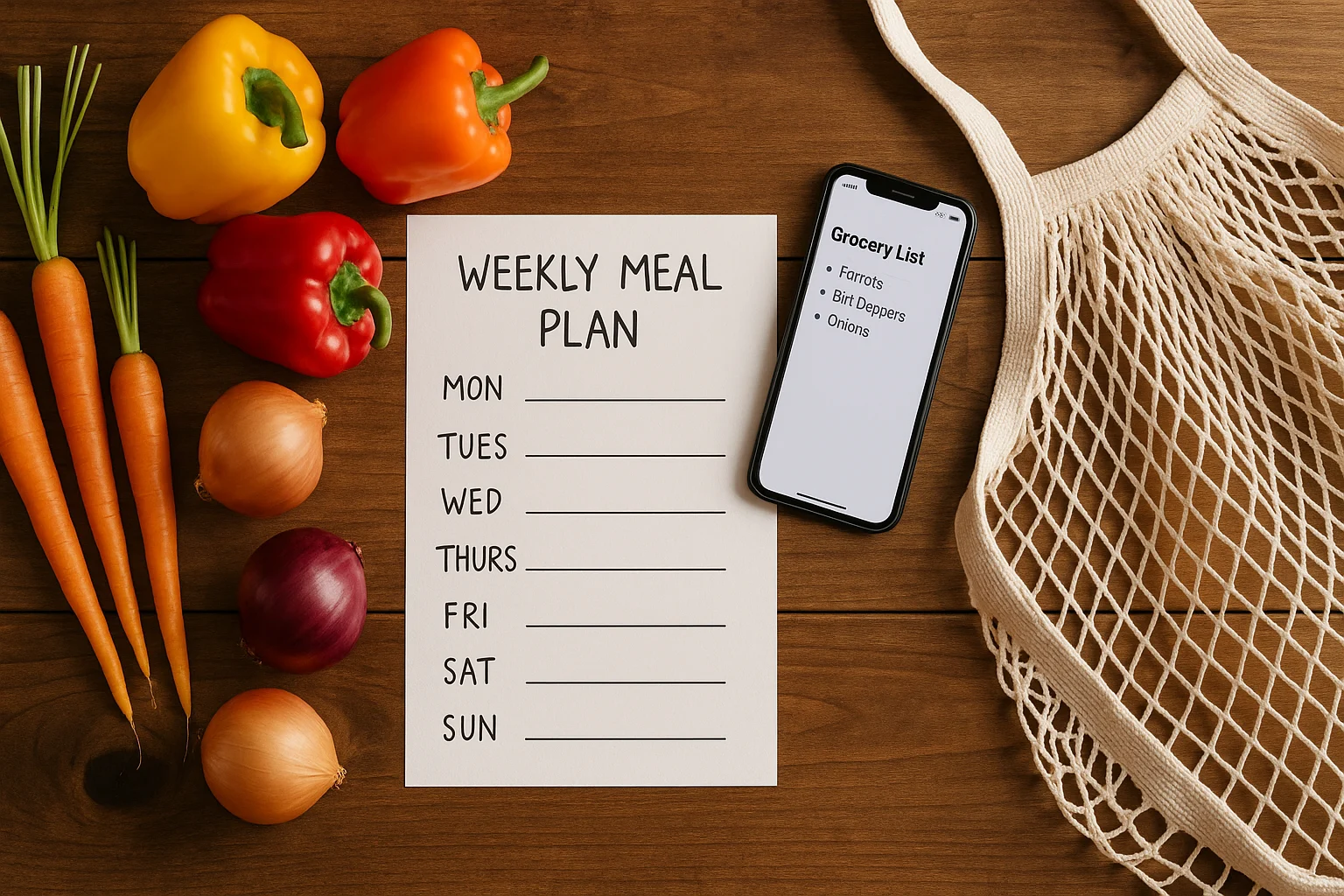
- Plan a few dinners each week before you shop.
Why it works: Cuts impulse buys and food waste.
Try this week: List a few dinners before shopping.
- Shop with a written list and pause before extras.
Why it works: Lists reduce unplanned spending.
Try this week: Build the list from your meal plan and a quick pantry check.
- Cook at home when practical; save leftovers for lunch.
Why it works: Turns one cooking session into dinner plus a later meal.
Try this week: Cook double, pack tomorrow’s lunch.
- Use what you already have before buying more.
Why it works: A quick pantry, freezer, closet, or supply check can help you avoid duplicate purchases and put overlooked items back to use.
Try this week: Use one overlooked item before adding its replacement to your list.
- Review subscriptions and memberships regularly; pause or cancel what you are not using.
Why it works: Recurring charges are easy to overlook once they are automated.
Try this week: Review one recurring charge and decide whether it still earns its place.
- Compare unit prices and total cost before assuming the sale or larger pack is cheaper.
Why it works: Unit pricing makes different package sizes easier to compare, while the total keeps a bargain from stretching your budget.
Try this week: Compare two sizes of one item you already planned to buy.
- Check secondhand first for clothes, furniture, and gear.
Why it works: Secondhand prices can be much lower than buying new, though condition and value vary.
Try this week: Check marketplace before retail.
- Borrow from the library before buying books or media.
Why it works: Borrowing first lets you use what your library offers without buying every book or audiobook.
Try this week: Check your library catalog before buying your next book or audiobook.
- Fix only the DIY jobs that are comfortably within your skill level.
Why it works: Small, low-risk repairs can avoid a service call.
Try this week: Pick one simple maintenance task you already know how to do.
Safety: For electrical, structural, gas, or permit-related work, check local requirements and consider a licensed professional.
- Switch to LED bulbs and turn off lights when you leave rooms.
Why it works: LEDs use less electricity than incandescent bulbs and typically last much longer.
Try this week: Swap your three most-used bulbs.
- Use a thermostat schedule that fits when your home is occupied.
Why it works: A sensible heating-and-cooling schedule can reduce unnecessary energy use; the best settings depend on your system, climate, and household.
Try this week: Set a schedule that matches when your home is occupied.
- Wash clothes in cold when appropriate for the load; air-dry when practical.
Why it works: Colder wash water reduces the energy used to heat water, and air-drying avoids dryer energy use.
Try this week: Use a cold cycle for one suitable load this week.
- Walk, bike, carpool, combine errands, or use transit for short trips when practical.
Why it works: Can reduce fuel use and unnecessary driving.
Try this week: Replace or combine one short trip that feels safe and realistic.
- Follow your vehicle’s maintenance schedule and keep tires properly inflated.
Why it works: Routine maintenance can help catch problems before they become bigger repairs.
Try this week: Check tire pressure and your next service due date.
- Build a small starter emergency fund and review your budget monthly.
Why it works: A cash buffer can help cover an unexpected expense without immediately relying on credit.
Try this week: Set an automatic transfer you can comfortably sustain.
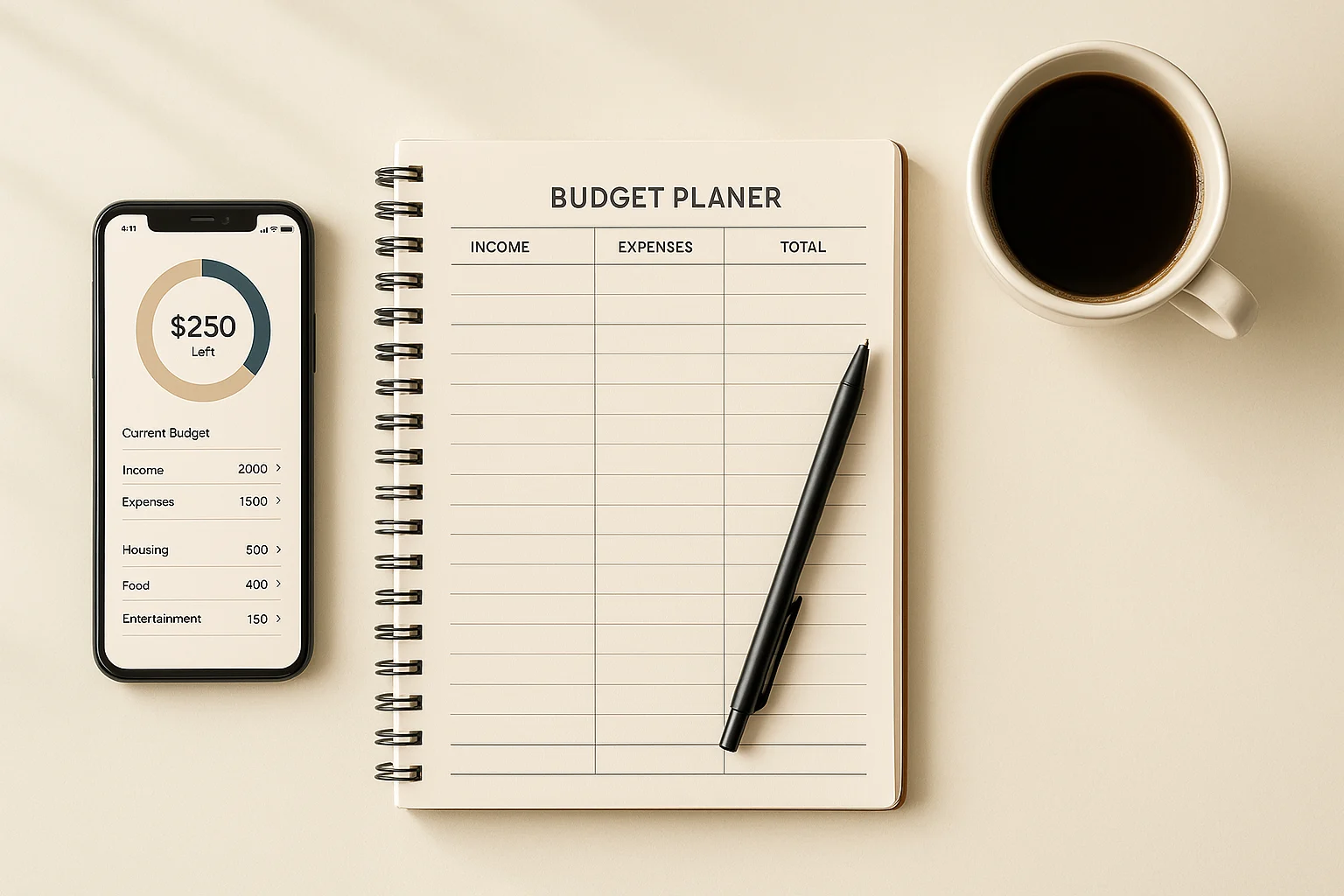
A budget tool only helps if you will actually reopen it. If you prefer digital, compare our free Excel budget templates and choose the level of detail you are most likely to keep using. If paper keeps the habit visible, one option is below.
Clever Fox Budget Planner — an undated paper option with monthly budget, bill, savings/debt, and expense-planning sections.
Skip it if the free digital templates above already keep you on track.
Keep score for a month: Note what changed in your spending and how much effort the habit took. A small saving that creates constant hassle does not have to become a permanent rule.
If you want a neutral budgeting walkthrough before adding another income goal, see Consumer.gov’s budget guide for a basic monthly process and worksheet.
If you’ve cut the obvious waste and still need more room in your budget, earning a little extra can be a better lever than squeezing every category harder.
Treat it as an experiment, not guaranteed income: start with one service you can deliver well and see whether the time-to-pay trade-off fits your goals.
How to Make Frugal Habits Stick
Frugality lasts when the rules fit your real life. Before adding more tactics, decide what you want the extra room in your budget to do and notice where spending tends to drift. For a step-by-step kickoff, see how to start living frugally.
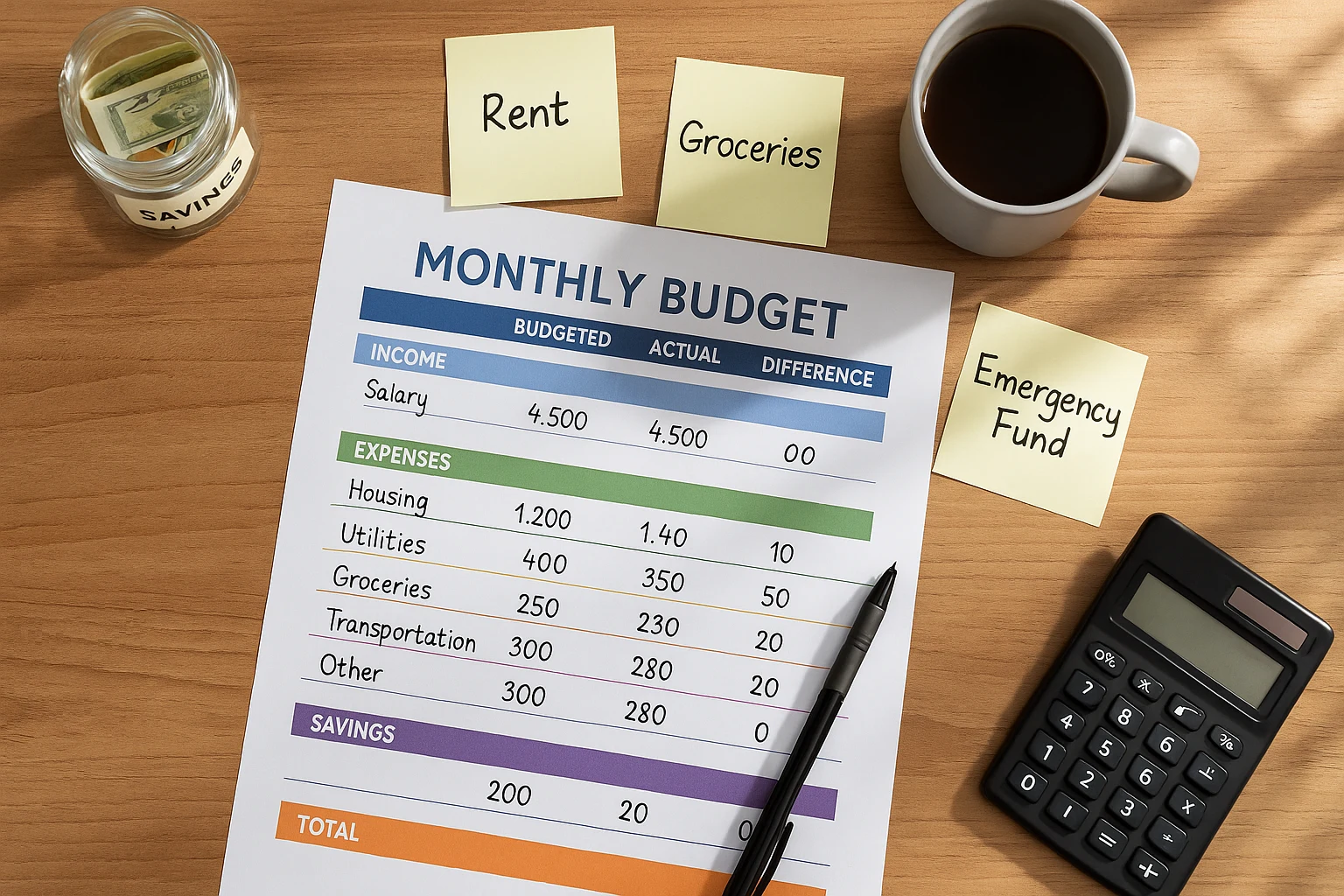
Spend for value, not just the lowest price
Being frugal is not the same as choosing the cheapest option every time. Consider how often you will use something, how long it is likely to last, and whether replacing it later would erase the initial saving. The useful question is: “Does this give me enough value for the money?”
Make the plan easy to repeat
- Name the goal: Give the savings a job, such as building a cash cushion, paying down debt, or funding something you value.
- Know your baseline: Review a month of spending so you can see which changes actually matter.
- Add friction to impulse buys: Use a short pause for everyday wants and a longer pause for bigger nonessential purchases.
- Plan for real life: Leave room for social plans, small treats, and shared household priorities so the system is easier to keep.
Pause before a big purchase: Put a nonessential purchase on a 30-day list. If you still want it after the wait, reassess it against your budget and goal.
Avoid the traps that make frugality backfire
- Too restrictive: Leave enough room for enjoyment that the plan still feels realistic.
- Ignoring quality: Choose durability when it matters and your budget allows.
- Not measuring: Compare before-and-after spending so you know what actually helped.
- Making every rule permanent: Adjust or drop habits that add friction without meaningful value.
- Comparing yourself to others: Use your own goals and constraints as the standard.
For routines that are easier to keep, try these budgeting habits that stick.
If you’ve named the goal but still need a baseline, put your income, spending, debts, and goals in one place before adding more rules.
Put Income, Spending, Debts, and Goals on One Screen
The 30-Minute Money Reset includes space for income, spending, up to 8 debts, and up to 8 goals, with a SNAPSHOT sheet that totals what you enter automatically.
Confirm to get the workbook and frugal money tips. Unsubscribe anytime.
Something went wrong. Please check your email address and try again.
Long-Term Benefits of a Frugal Lifestyle
Over time, frugal habits can create more room between income and expenses. What that room does for you depends on your situation: it might support emergency savings, debt payments, investing, or simply a less fragile month-to-month budget. If early retirement is one of your goals, explore our financial independence guide.
- More control: Direct freed-up cash toward priorities you choose.
- More resilience: Build a buffer for unexpected expenses.
- Less waste: Keep useful items longer and buy used when it makes sense.
- More long-term options: A sustainable savings rate can support retirement or other goals.
Frequently Asked Questions
Your Frugal Starting Plan
Choose one or two habits from the checklist that you can realistically repeat for the next month instead of trying to adopt all 15 at once.
Then compare the result with your starting point. Keep what helps enough to justify the effort, adjust what almost works, and drop what does not. The goal is to build a frugal system you can keep, not to follow every tip forever.
Educational content only — not financial, legal, or tax advice. Your situation may differ; consider speaking with a qualified professional. We don’t guarantee outcomes. Make changes at your own pace and comfort level.

