

Does the checkout scanner’s beep make your stomach drop a little? Grocery shopping on a budget for two can feel less like a quick errand and more like a weekly tug-of-war with rising prices. Instead of extreme couponing marathons, most of the real savings come from simple, repeatable moves—tight meal plans, smart store-brand swaps, and cook-once-eat-twice dinners. BLS data shows grocery costs vary by region and habits; with the right playbook, you can spend less without sacrificing taste. Prices and ranges below are illustrative and will vary by region and store—use local circulars to localize. This guide shows how to stack small wins into big savings—keep the flavor, lose the stress. For a broader plan that ties groceries, bills, and habits together, see our how to live frugally and save money.
Grocery Budget Optimizer
This post contains affiliate links. If you buy through our links, we may earn a commission at no extra cost to you. Learn more.
Table of Contents
- Key Takeaways for Budget Grocery Shopping for Two
- How to Meal Plan for Grocery Shopping on a Budget for Two
- Smart Strategies to Save on Groceries for Two
- Budget-Friendly Ingredients for Two
- Cooking Strategies to Save Money
- Real-Life Hacks for Budget Grocery Shopping for Couples
- Sample Weekly Meal Plan for Two on a Budget
- Adapting the Plan for Special Diets
- Tracking Your Grocery Spending
- Extra Tips for Budget-Friendly Shopping
Key Takeaways for Budget Grocery Shopping for Two
- Plan ahead: A simple plan before you shop cuts impulse grabs and helps you use what you already have.
- Shop smart: Lean on store brands, buy in bulk only for staples you’ll actually finish, and stack coupons when they line up with your list.
- Cook efficiently: Cook once, eat twice—batch-cook and freeze so tonight’s effort turns into tomorrow’s easy meal.
- Use versatile staples: Rice, beans, eggs, and frozen veg can be remixed into breakfasts, bowls, and dinners all week.
- Track spending: Check in once a week so small overages don’t quietly turn into a much bigger grocery bill.
How to Meal Plan for Grocery Shopping on a Budget for Two
Meal planning cuts random purchases, reduces waste, and makes the most of what you already have. If you’re new, start with three days, then expand to a full week as you get comfortable.
Inventory and Brainstorming
First, take stock of your pantry, fridge, and freezer to avoid duplicates. Browse cookbooks or budget-focused blogs for meal ideas you both enjoy, and map meals to your schedule—quick dishes for busy nights, bigger recipes for weekends. Involve your partner so the plan fits both tastes.
Creating Your Weekly Meal Plan
Assign meals to each day and repeat favorites to save time. Plan for leftovers to become lunches or new dishes (e.g., roasted chicken → tacos). Leave one night flexible for eating out or using leftovers. Use a simple template (digital or paper) to stay organized. Apps like AnyList can also sync lists between partners.
Crafting a Budget Grocery List for Two
Organize your list by store sections—produce, meat, dairy—to move faster and avoid extras. Check sales flyers and cashback apps for items already on your list. For easy tracking, try these free financial tools.
Smart Strategies to Save on Groceries for Two
When you’re shopping for two on a tight grocery budget, shop strategically to maximize savings. With a meal plan and list ready, here’s how to make every dollar work harder.
Choose Store Brands
Store brands often match name-brand quality at a lower price. Try replacing one name-brand item (like cereal) with a store brand each trip. Compare ingredient lists to ensure quality.
Bulk Buying Wisely
Bulk buys shine for shelf-stable staples (rice, beans, oats) if you’ll use them in time and have storage. Check unit prices and consider splitting bulk items with a friend to avoid waste.
Use Digital Coupons and Loyalty Programs
Glance through weekly flyers and load digital coupons before you ever grab a cart. Many stores let you stack loyalty deals with coupons, which adds up quietly over a month or two.
Shop Seasonally and Around the Perimeter
Seasonal produce usually costs less and actually tastes better, too. Walking the perimeter (produce, dairy, meat) keeps your cart focused on whole foods instead of pricier processed extras. To make those savings stick, build simple budgeting habits.
Gotchas: Watch for shrinkflation, end-cap “deals” on items not in your plan, and large packages that raise per-unit prices.
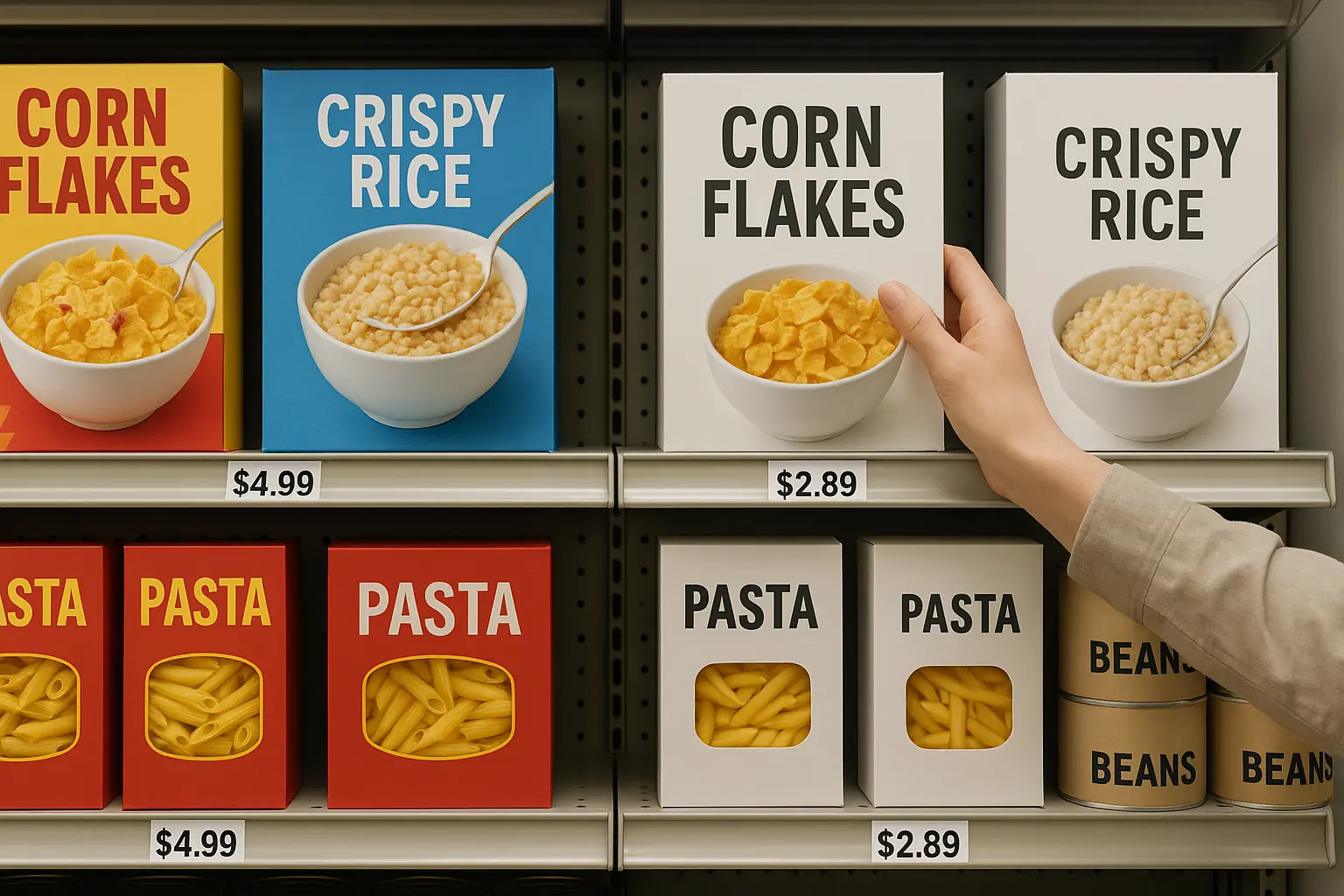
Budget-Friendly Ingredients for Two
Affordable, versatile staples make planning easier and keep bills predictable.
Legumes and Eggs
Beans, lentils, and peas are quiet workhorses for soups, tacos, and salads. Dried versions are cheapest if you plan for soaking and cooking; canned options trade a bit of cost for speed. Eggs pull double duty in breakfasts, bowls, and frittatas when you’re short on time.
Rice, Grains, and Root Vegetables
Rice, quinoa, and oats slide into breakfasts, bowls, and sides, and they sit happily in the pantry for weeks. Potatoes, carrots, and onions are the classic “cheap but filling” trio for roasts, stews, and sheet-pan dinners.
Frozen Fruits and Vegetables
Frozen fruits and veggies are usually just as nutritious as fresh, and they save you from watching good food wilt in the crisper. A bag of berries turns into easy smoothies, and frozen spinach disappears nicely into pasta or soup.

Cooking Strategies to Save Money
A little strategy in the kitchen goes a long way toward stretching your grocery budget.
Batch Cooking and Freezing
On a quiet weekend block, cook a bigger batch than you need and portion it out. Freezing soups, stews, or casseroles in labeled containers gives you “future you” dinners on nights you don’t feel like cooking.
Repurpose Leftovers
Turn roasted chicken into tacos or salads; add extra vegetables to stir-fries or frittatas for quick, budget-friendly meals.
One-Pot Meals for Simplicity
One-pot meals cut cleanup and energy use. Try a veggie-rice casserole or a pasta skillet with canned tomatoes and beans.
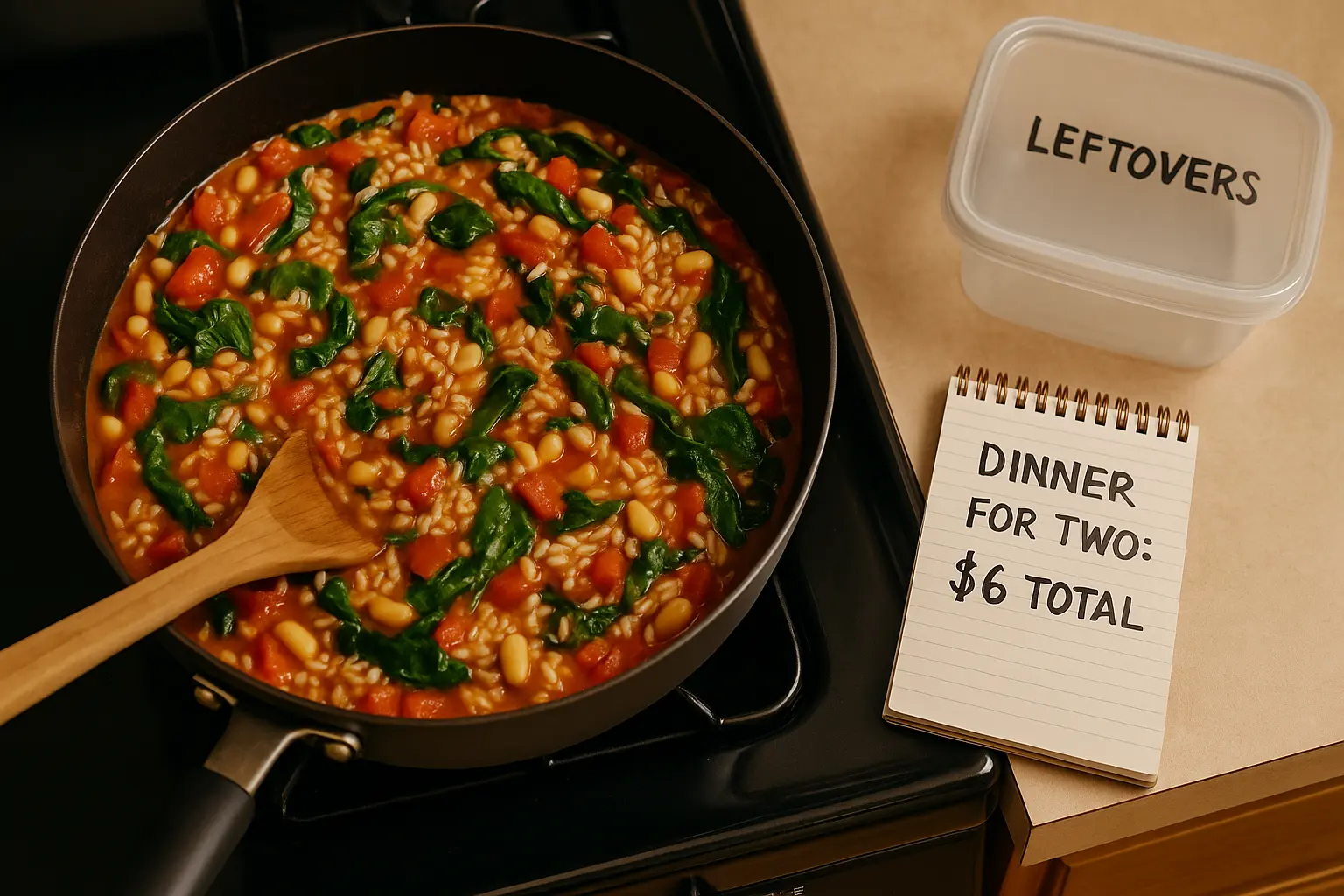
Real-Life Hacks for Budget Grocery Shopping for Couples
Want ideas people actually use week after week? These community-tested habits show up again and again for shoppers trying to spend less:
- Start with the weekly sales and build your meals around whatever’s discounted.
- Lean on frozen vegetables to cut both prep time and the guilt of tossing wilted produce.
- Check out local ethnic markets for better prices on rice, spices, and other staples you use a lot.
- Grab imperfect produce when it’s offered—it’s usually just as tasty at a lower price.
- If your schedule allows, swing by near closing time at local markets to catch last-minute markdowns.
Cheap grocery shopping Reddit: what real shoppers recommend
If you browse cheap grocery shopping Reddit threads, you’ll see the same advice pop up again: plan around weekly sales, keep a price book for your top 20 items, and use frozen veg to cut waste.
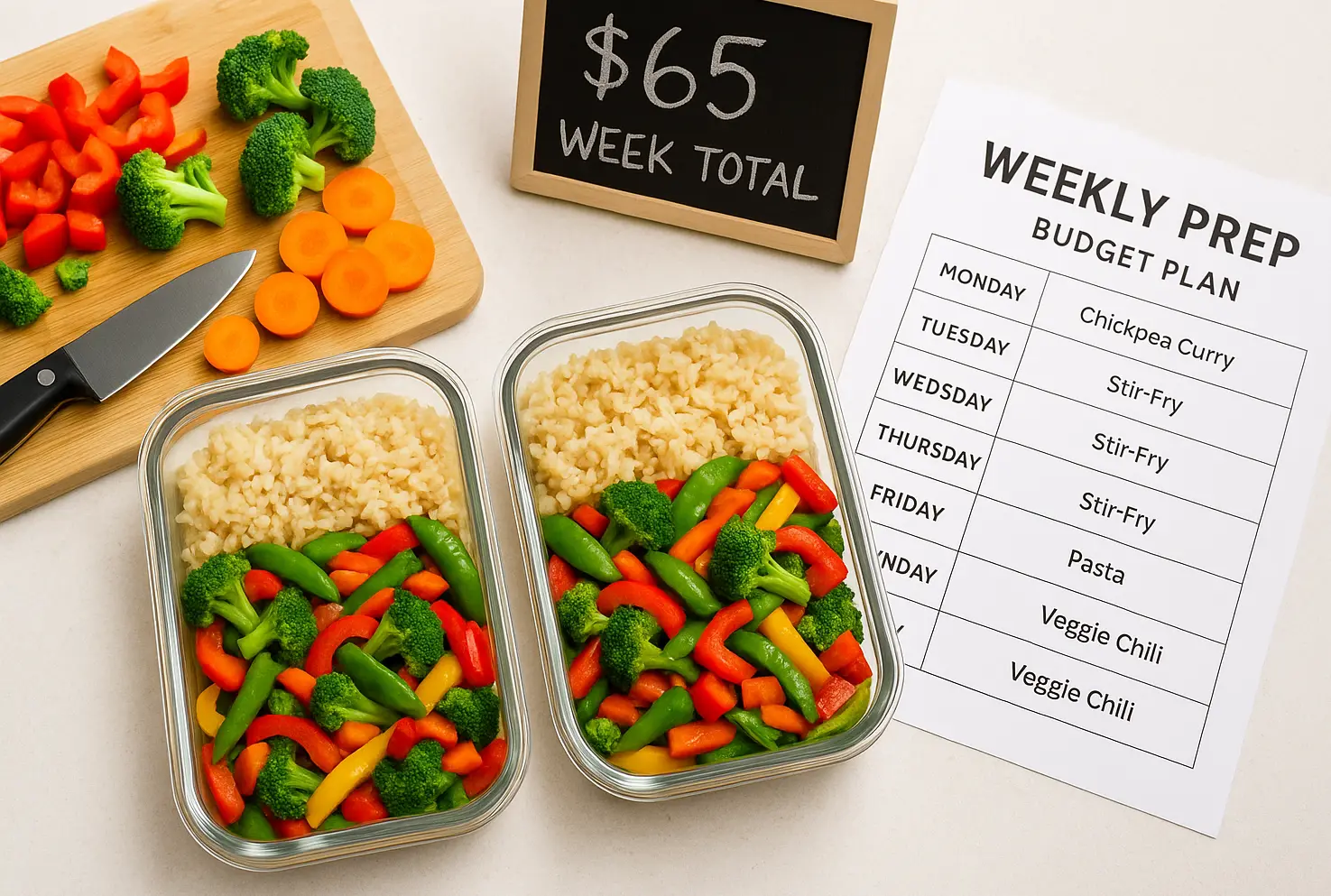
Sample Weekly Meal Plan for Two on a Budget
| Day | Meal | Ingredients | Notes | Example Cost (2 servings) |
|---|---|---|---|---|
| Monday | Lentil Soup | Lentils, carrots, celery, onion, vegetable broth, diced tomatoes, spices | Use leftover vegetables from the previous week. | $4–$6 |
| Tuesday | Chicken Stir-Fry | Chicken breast, frozen vegetables (broccoli, carrots, peppers), rice, soy sauce | Use leftover rice from Monday. | $8–$12 |
| Wednesday | Egg Fried Rice | Eggs, rice, frozen peas, carrots, soy sauce | A quick way to use leftover rice and vegetables. | $4–$6 |
| Thursday | Black Bean Tacos | Black beans, tortillas, salsa, shredded cheese, lettuce, sour cream | Canned black beans are budget-friendly. | $5–$8 |
| Friday | Pasta with Marinara | Pasta, marinara sauce, ground beef (optional), parmesan cheese | Use store-brand pasta and sauce. | $5–$9 |
| Saturday | Homemade Pizza | Pizza dough, marinara sauce, mozzarella cheese, toppings of your choice | Make your own dough for savings. | $6–$10 |
| Sunday | Roasted Chicken and Veggies | Whole chicken, potatoes, carrots, onions, olive oil, spices | Use leftovers for sandwiches or salads. | $10–$14 |
How these example costs were estimated: ranges reflect two dinner servings using store brands, weekly sales, and pantry staples. Actual prices vary by region and store.
Estimates assume store brands and weekly sales; taxes & regional prices vary. Adjust for your diet and location.
Putting it together: These dinners total roughly $45–$60. Adding simple breakfasts, lunches, and staples (oats, eggs, bread, peanut butter, seasonal fruit, greens, milk) typically adds $25–$35, making a weekly total near ~$80 realistic in many U.S. areas—adjust with your local ads.
Adapting the Plan for Special Diets
Vegetarian or gluten-free adjustments are straightforward: swap meat for tofu or lentils; use rice or gluten-free pasta. Ethnic stores often carry affordable specialty flours and plant proteins.
Tracking Your Grocery Spending
Tracking your two-person grocery budget weekly helps catch overspending early. Budgeting apps categorize transactions and reveal patterns. Track food waste, too—it’s often where savings hide. Download our zero-based budgeting template to map every dollar. For context on typical spending, see the BLS Consumer Expenditure Reports.
If you like keeping grocery money separate so you can see it clearly, a simple online account can help:
Frequently Asked Questions
Extra Tips for Budget-Friendly Shopping
Skip pricey drinks, brew coffee or tea at home, and flavor water with citrus or berries. Small habit shifts compound into steady savings.
Conclusion
Cutting your grocery bill as a couple is doable: plan simple meals, lean on store brands, cook once/eat twice, and track what matters. Tweak one habit per week and use the optimizer above for quick ideas.
This content is for informational purposes only and not financial advice. Consult a professional before making financial decisions.

