

The best no-fee balance transfer card is the one whose promo terms fit a payment you can actually sustain. Before you compare card names, compare the transfer fee, promotional APR, transfer deadline, and the monthly payment required to finish before the promo ends.
Start with the payoff math, then compare the issuer terms. The calculator below tests your timeline; the current picks show the fee, promo rate, ongoing APR, transfer window, and membership requirement. For a broader payoff framework, see our debt management plan.
This post contains affiliate links. If you purchase through them, we may earn a commission at no extra cost to you. Learn more.
Table of Contents
- Balance Transfer Payoff Check
- Current Credit Cards With No Balance Transfer Fee
- How a Balance Transfer Works
- Why Strong Credit Matters
- Terms to Compare Before You Apply
- Match a Card to Your Payoff Plan
- Free Money Reset Workbook
- Balance Transfer Process
- Pitfalls to Avoid
- Frequently Asked Questions
- Bottom Line
Balance Transfer Payoff Check
Enter the balance, your current APR, the offer’s promotional APR, any transfer fee, the promo length, and a monthly payment you can sustain. The fields start with example values. This is a planning estimate, not an approval or card-offer guarantee.
Current Credit Cards With No Balance Transfer Fee
These options were checked against issuer terms on August 17, 2026. All four currently list no balance transfer fee and no annual fee, but the promotional APR, transfer deadline, ongoing APR, and membership path are not identical.
| Card | Intro transfer APR | Promo / transfer window | Transfer fee | Current ongoing APR | Eligibility note |
|---|---|---|---|---|---|
| Navy Federal Platinum | 0.99% for 12 months | Transfers made within first 60 days | $0 | 10.24%–18.00% variable | Navy Federal membership required |
| ESL Visa Credit Card | 0% for 12 billing cycles | Promo runs from account opening | $0 | 11.75%–17.99% variable | ESL membership required |
| BECU Low Rate Credit Card | 0% for 12 months | Transfers completed within first 90 days | $0 | 12.49%–23.49% variable | BECU membership and credit approval required |
| Skyla Visa Platinum | 0% for 12 months | 12 months from account opening | $0 | 14.90% variable | Skyla membership; ACC eligibility path available |
Quick decision: There is no universal winner among these four because membership and underwriting differ. ESL, BECU, and Skyla currently offer true 0% introductory transfer APRs, while Navy Federal Platinum is 0.99%. Skyla is worth checking when membership access is the main obstacle because its current site includes an American Consumer Council eligibility path. If you can join more than one, compare the transfer deadline, ongoing APR, and whether the approved credit line can absorb the balance—not the headline promo alone.
Navy Federal’s current special offer says it expires January 3, 2027. ESL, BECU, and Skyla publish their current rates and conditions on the linked card pages; confirm all four again before applying.
A “no-fee” transfer and a 0% promotional APR are separate terms. Verify both, plus the transfer deadline and ongoing APR, on the issuer’s site before you apply.
Membership note: All four are credit-union cards. Skyla currently provides an American Consumer Council membership path; the other institutions use their own eligibility rules. Membership eligibility is separate from credit approval.
If none of these four fits—or you want to compare a broader set of offers—you can compare additional credit-card offers. Keep the comparison reader-first: recheck the fee, promo APR, promo length, transfer deadline, and issuer eligibility before applying.
How a Balance Transfer Works
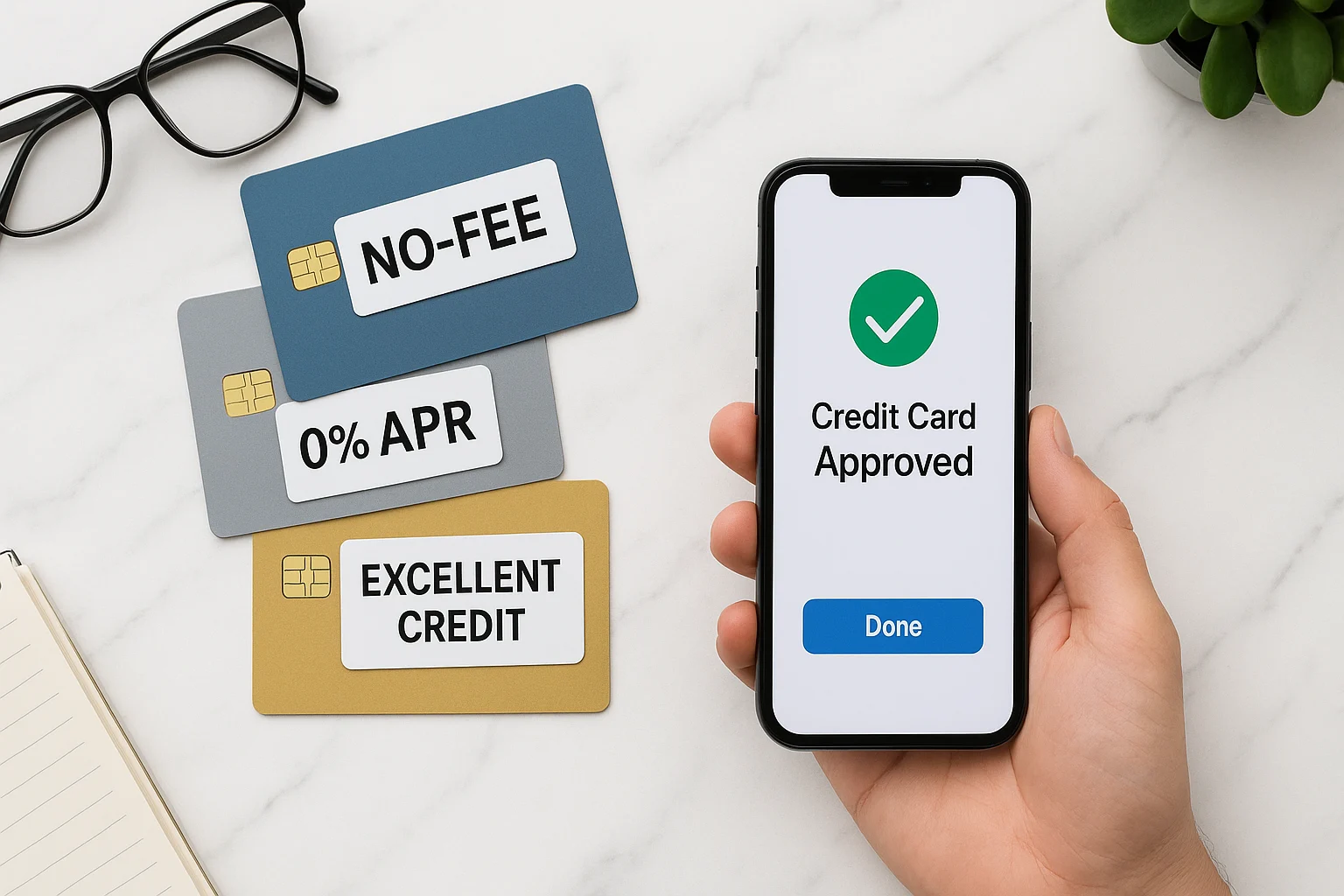
A balance transfer moves existing credit card debt to another card. The savings depend on the transfer fee, promotional APR, current APR, and how quickly you repay the balance. With an approved transfer, the new issuer sends payment toward the debt you asked to move; during a true 0% intro period, scheduled payments can go entirely toward principal on the transferred balance if you follow the card’s terms. Use the payoff check above with your own numbers. If you want to compare this strategy with classic payoff methods, see our breakdown of debt snowball vs. avalanche.
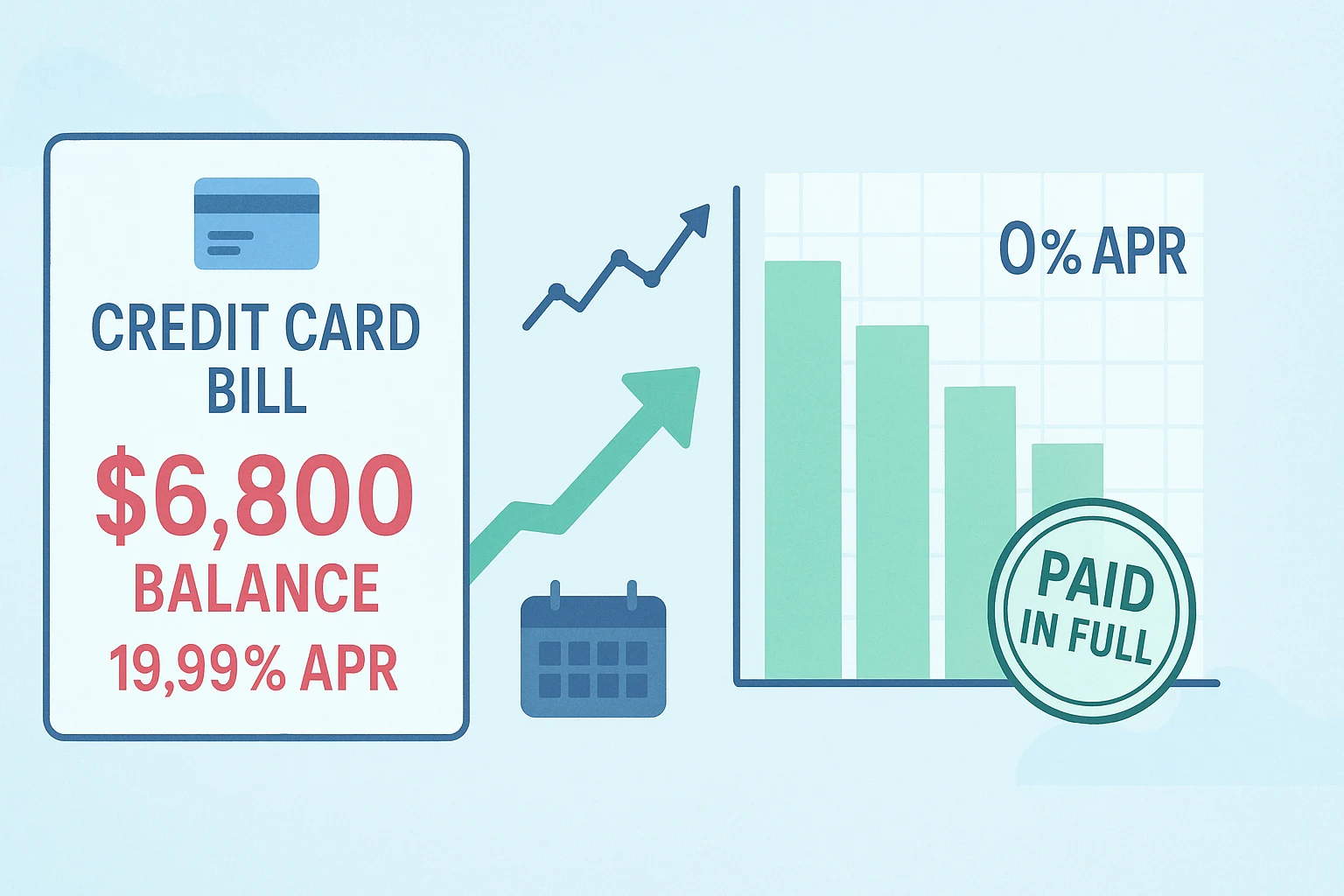
Example: $417 per month pays off about $5,000 in 12 months at 0%. At a 19% APR, part of the same payment goes to interest instead, so the balance falls more slowly.
Why Strong Credit Matters—but Doesn’t Guarantee Approval
A stronger credit profile can expand your options, but there is no universal score that guarantees a no-fee balance-transfer card. FICO currently labels 740–799 “Very Good” and 800–850 “Exceptional”; issuers still make approval, APR, and credit-limit decisions using their own underwriting. See FICO’s score ranges for the current categories.
- Offer Access Varies: Some balance-transfer promotions are marketed to stronger credit profiles, but issuer criteria differ.
- Ongoing APR Still Matters: If a balance remains after the promo, the card’s regular APR becomes important.
- Transfer Capacity Is Not Guaranteed: Your approved credit line and issuer transfer limits may be lower than the balance you want to move.
- Applications Affect Credit: A new application generally creates a hard inquiry, and opening a new account can change several score factors.
A strong score can improve your options, but the better decision is the card whose fee, promo window, eligibility rules, and payoff math all fit your plan.
Terms to Compare Before You Apply
Before you apply, compare the terms that determine whether the transfer actually works for your payoff plan:
- Balance transfer fee: Confirm that the fee is actually $0 for the transfer you plan to make; do not assume a low promo APR also means no fee.
- Promo APR and transfer deadline: For 0% APR cards, a longer promo gives you more time, but the transfer may need to be completed much earlier than the promo ends.
- Ongoing APR: If a balance remains after the promo, the regular variable APR applies. Compare the full current range and do not assume you will receive the low end.
- Annual fee: The four current picks in this guide list no annual fee, which keeps the comparison focused on transfer cost and payoff timing.
- Rewards and perks: Treat them as secondary until the transfer fee, promo terms, eligibility, and payoff math work for you.
No-fee is not automatically the lowest-cost choice. A card that charges a transfer fee can still be worth comparing if a different promo structure gives you enough time to make a sustainable payment. Enter the fee and offer terms in the payoff checker and compare total financing cost instead of screening on the fee alone.
How to Match a Balance Transfer Card to Your Payoff Plan
Use the calculator first, then choose among offers with a simple decision sequence:
- Set the payoff target: Use a monthly amount you can sustain and confirm that it clears the balance inside the promotional window.
- Compare total transfer cost: Check the transfer fee, promotional APR, annual fee, and any interest you would pay during the intro period.
- Check eligibility before applying: Confirm current membership requirements and remember that membership does not guarantee credit approval.
- Plan for transfer capacity: Your approved credit line and issuer rules may limit how much you can transfer, so do not assume the full balance will fit.
- Check the post-promo risk: If any balance may remain, compare the ongoing APR before you commit to the transfer.
If the strongest offers are not available to you, our guide to balance transfer cards for a 600 credit score explains what to compare at a lower score range without assuming approval or savings.

Before you commit to that monthly payoff target, put it beside the rest of your month and make sure the plan still has room to breathe.
See What Your Balance-Transfer Payment Has to Fit Around
Enter income, spending, up to 8 debts, and up to 8 goals; the SNAPSHOT sheet brings the key numbers together automatically.
Confirm to get the workbook and frugal money tips. Unsubscribe anytime.
Something went wrong. Please check your email address and try again.
Balance Transfer Process: Step by Step
Once you’ve picked a card, here’s how to proceed:
- Apply: Use the issuer’s available application channel after confirming membership or eligibility, current promo terms, and fees.
- Request the Transfer: Follow the issuer’s instructions and transfer deadline; some offers require the transfer within a set number of days after account opening.
- Keep the Old Account Current: Posting times vary, so keep making at least the required payment until the transfer appears and the old balance is confirmed.
- Start the Payoff Schedule: Once the transfer posts, use autopay and your target monthly amount so the balance is cleared before the promo ends.
Once the transfer posts, line up the promo end date with your payoff target. A free debt payoff tracker can help you see whether the remaining balance is falling fast enough.
Pitfalls to Avoid
These offers are powerful, but watch out for:
- Missing Payments: Late or missed payments can trigger fees, hurt your credit history, and may affect promotional terms. Set autopay for at least the required minimum.
- New Spending: The balance-transfer promo may not apply to purchases, and carrying a promotional balance can complicate purchase interest. Check the card agreement before using the new card for spending.
- Promo Deadline: The current no-fee picks in this guide use 12-month promotional transfer periods, and some require the transfer itself to be requested within an earlier window.
- Credit Score Impact: A new credit-card application generally creates a hard inquiry, and the new account can change your score in several ways. The size and duration of any effect vary by credit profile.
- Membership Restrictions: Credit-union eligibility may depend on military/DoD ties, geography, household relationships, employers, associations, or other field-of-membership rules.
Frequently Asked Questions
Bottom Line: Choose the Transfer You Can Pay Off
The best no-fee balance transfer card is the one that lowers your total cost without creating a payoff cliff. If the calculator shows you can clear the balance inside the promo window and you meet the issuer’s membership requirements, recheck the current terms immediately before applying. If the required payment is too high or a balance would remain, do not force the transfer—adjust the payoff plan or compare another debt strategy first.
This content is educational, not individualized financial advice. Card approval, credit limits, rates, and savings are not guaranteed; review the issuer’s current terms and consider professional guidance if a balance transfer affects a broader debt plan.

