
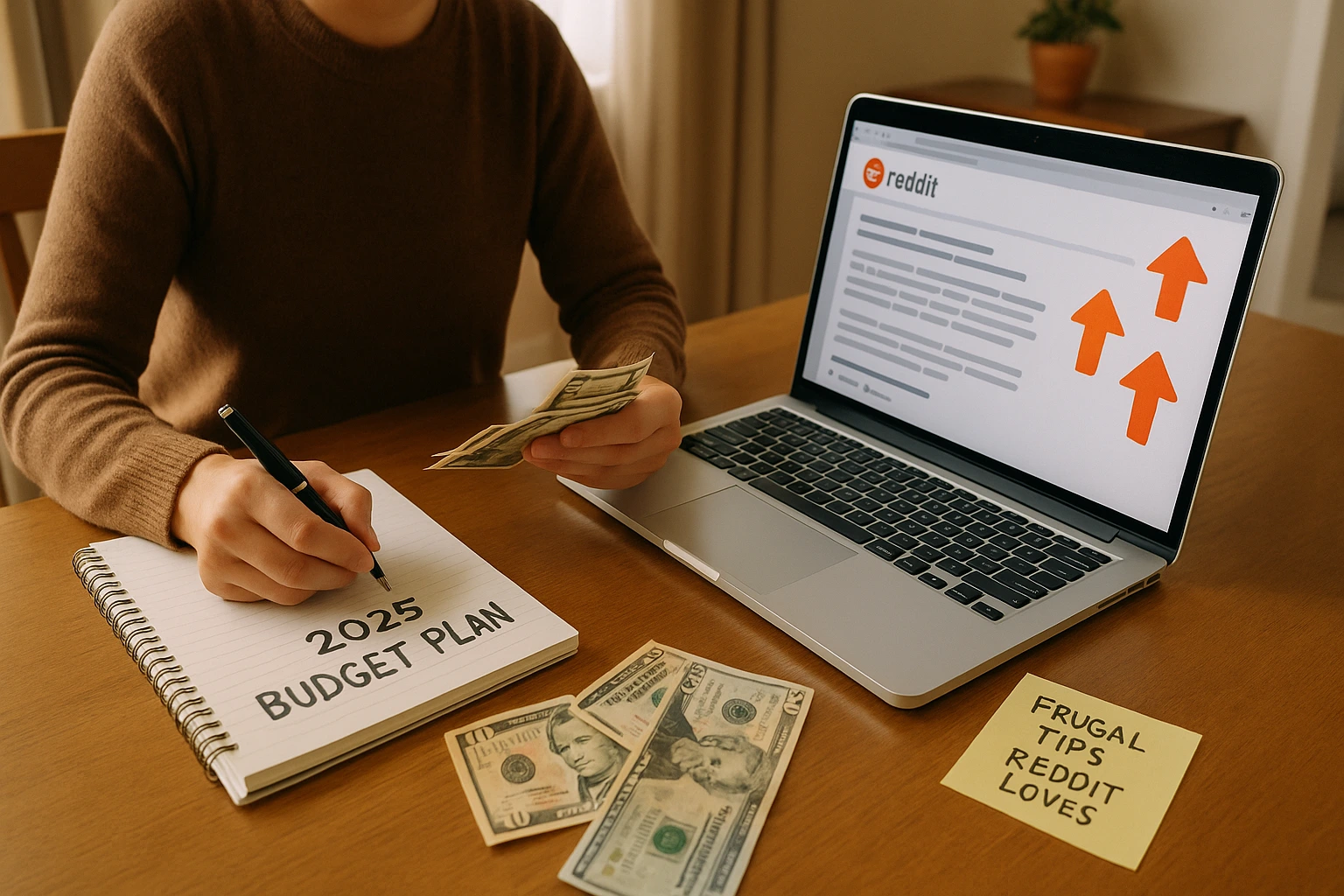
Prices are up, but your bills don’t have to be. Simple habits can stack real savings—the same ones Reddit’s communities practice every day. We analyzed threads across r/Frugal to surface the best frugal tips Reddit users actually follow in 2025. If you’re new, our how to live frugally and save money guide walks through the basics step by step.
Savings vary by household and region. Compare local prices, plans, and rebates before making changes.
Play With Your Monthly Savings
Pick monthly cutbacks; USD amounts, instant totals.
This post contains affiliate links. If you buy through our links, we may earn a commission at no extra cost to you. Learn more.
Give Your Savings a Clear Home
Keep your frugal wins in a simple mobile bank account so transfers feel automatic instead of like extra work.
Table of Contents
- Why Reddit’s Frugal Tips Are Special
- Plan Your Meals Like a Pro
- Ditch Unused Subscriptions
- Get Your DIY On
- Use Community Resources
- Automate Your Savings
- Cut Transportation Costs
- Trim Your Energy Bills
- Shop Like a Savvy Pro
- Cook at Home
- Negotiate Your Bills
- Play With Your Monthly Savings
- Frequently Asked Questions
- Keep the Frugal Vibes Going
Key Takeaways:
- Meal planning: Build a weekly plan around sales and pantry staples.
- Subscriptions: Audit and cancel low-use services; negotiate active plans.
- DIY: Fix small issues; use budget cleaners (vinegar, baking soda, lemon).
- Community: Libraries, buy-nothing groups, and free local events.
- Savings: Automate transfers to a high-yield account.
Why Reddit’s Frugal Tips Are Special
Reddit isn’t just memes—it’s a living lab of money-saving experiments. Subreddits like r/Frugal and r/PovertyFinance share practical, crowd-tested ideas that survive real-world scrutiny through comments and upvotes. In 2025, with prices elevated, these habits are especially valuable.
Frugal Tips Reddit: Plan Your Meals Like a Pro
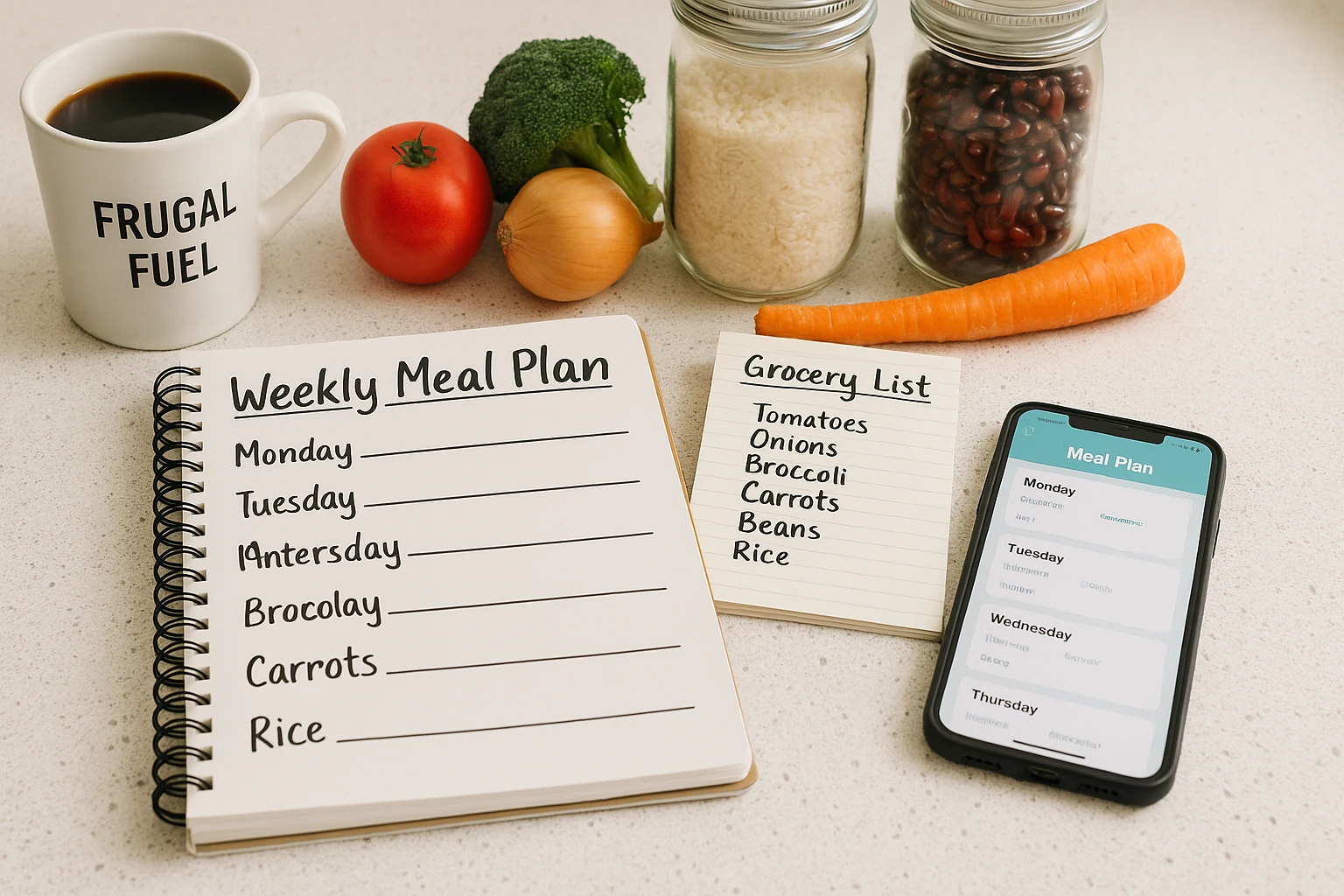
Some users say they cut weekly grocery costs significantly by planning around sales and pantry staples (results vary). For a step-by-step grocery strategy, see grocery shopping on a budget.
How to Start
- Inventory your fridge, freezer, and pantry first.
- Plan a week’s meals around what you already have and current sales.
- Shop with a list; batch-prep ingredients to avoid last-minute takeout.
- Cook once, eat twice (soups, casseroles, sheet-pan meals).
“I went from $100+ a week to $60 with meal planning. Game-changer!” —u/FrugalFoodie
Quick Win
Try a free meal-planning app to stay organized.
Ditch Unused Subscriptions
Streaming, apps, and memberships creep up fast. Audit everything, cancel low-use items, and call to negotiate better rates.
How to Start
- List all subscriptions (streaming, apps, gym, cloud storage).
- Ask: “Do I use this enough?” Be honest and cancel aggressively.
- Negotiate loyalty discounts; consider sharing eligible plans.
“Canceling deadweight subs saved me $100/month. Felt like a raise.” —u/SubscriptionSlayer
Quick Win
Set a calendar reminder to re-audit every six months.
Get Your DIY On
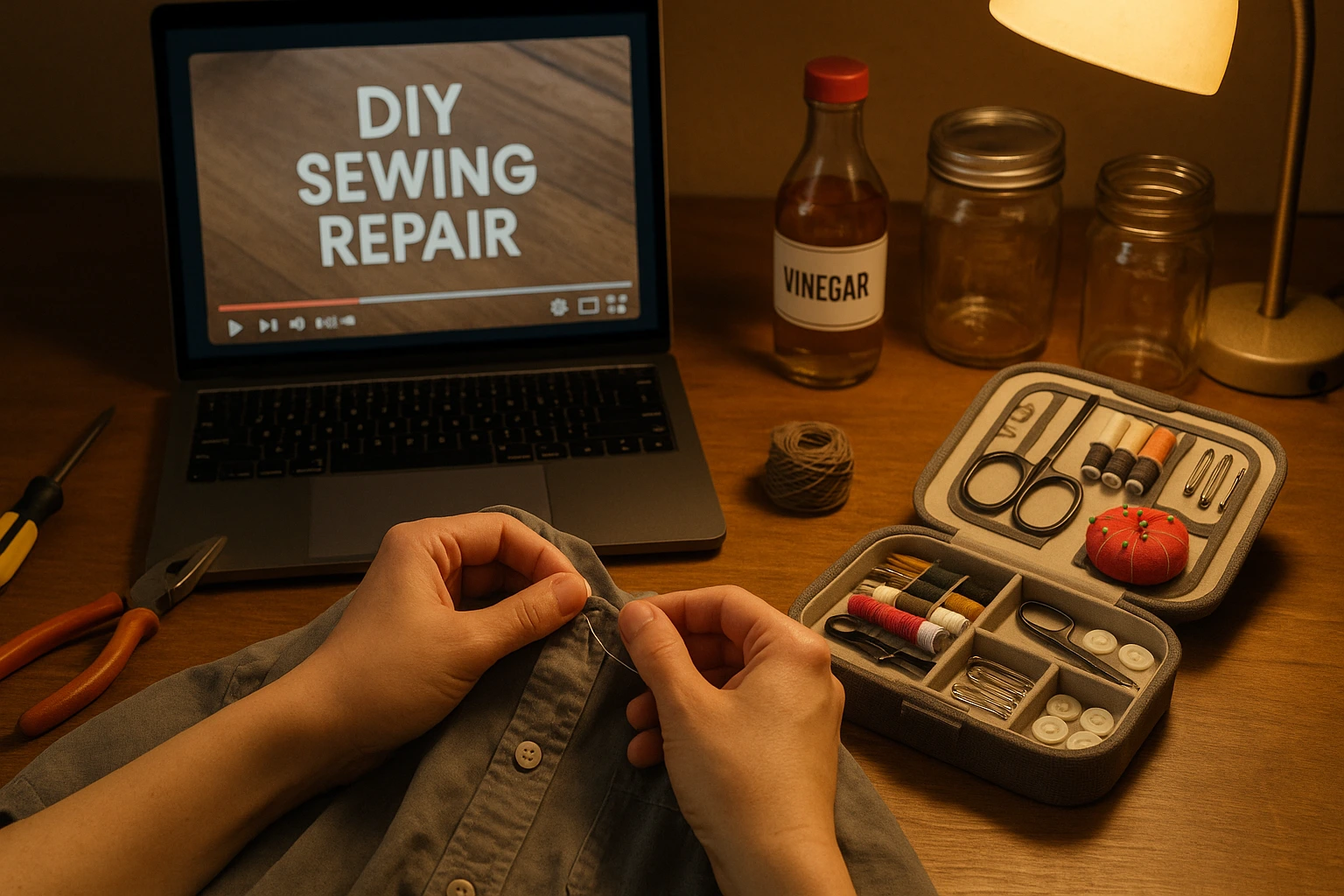
Fix small problems yourself and stretch the life of what you own. A basic minimalist tool kit and a few tutorials can save hundreds.
How to Start
- Use tutorials for common repairs (leaks, appliances, furniture).
- Keep a simple toolkit: screwdrivers, hammer, pliers, tape, glue.
- Try DIY cleaning products using pantry staples.
“One YouTube video + $12 part = washer fixed.” —u/DIYMaster
Quick Win
Check your library for DIY books and free workshops.
Use Community Resources (Libraries, Buy-Nothing, Free Events)
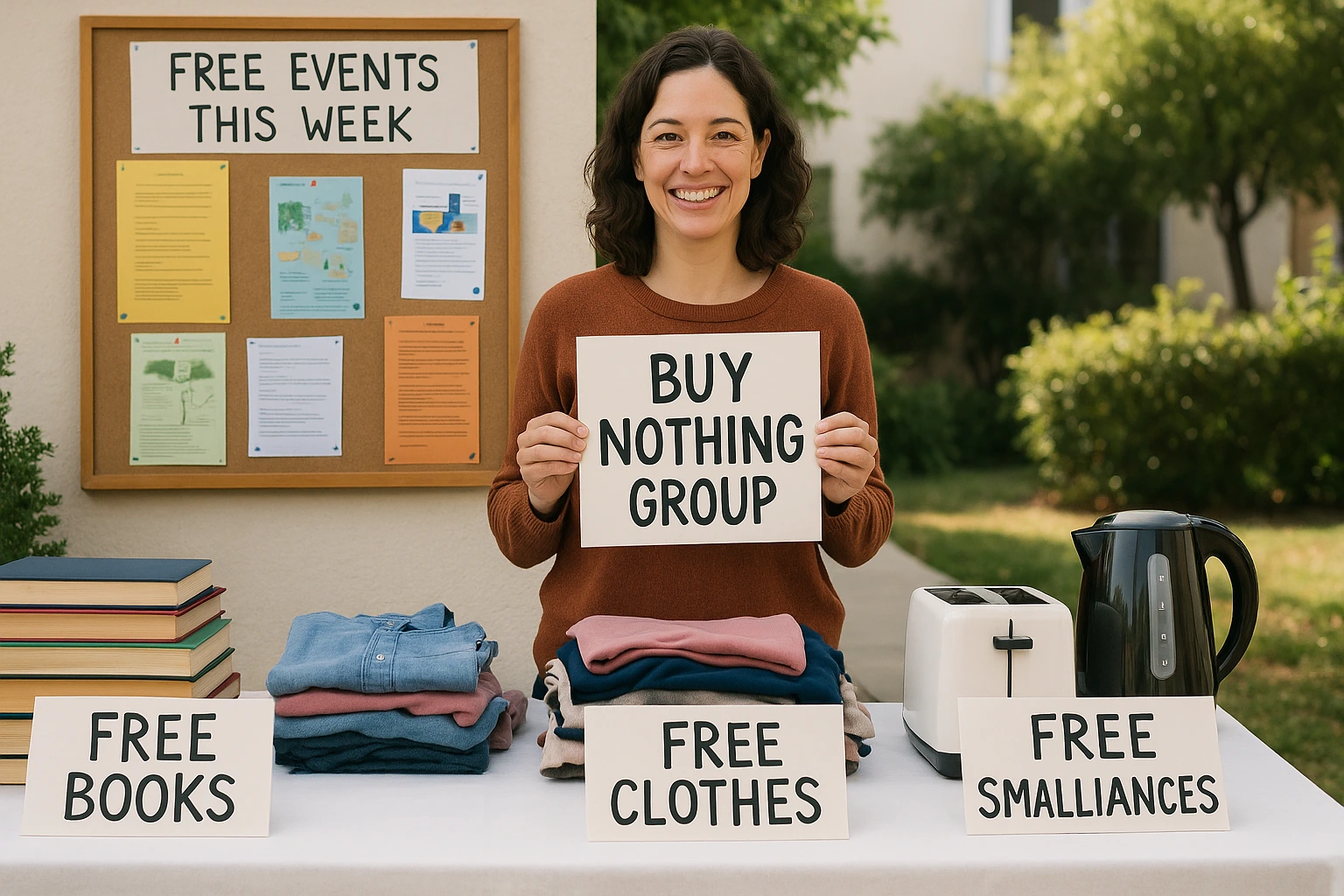
Libraries, buy-nothing groups, community gardens, and free events can offset costs for entertainment, tools, and even furniture. Libraries often stock top picks—start with our frugal living books.
How to Start
- Library cards unlock books, movies, digital learning, and sometimes tool rentals.
- Join a buy-nothing group to give/receive items locally.
- Subscribe to your city’s newsletter for free events and services.
“Free furniture and kids’ clothes from buy-nothing groups.” —u/CommunitySaver
Quick Win
Bookmark your library’s digital resources page for immediate savings.
Automate Your Savings
Automatic transfers make saving consistent. Consider a high-yield savings account and review progress monthly. Want a starting target? Try save $500 a month. If you’re tackling debt alongside these changes, our debt management plan covers the broader strategy.
How to Start
- Pick a realistic amount; even $10/week works.
- Automate transfers right after payday.
- Increase transfers as expenses drop.
“Automation helped me save without thinking about it.” —u/SavingsAutomation
Quick Win
Send the first transfer today—habit beats motivation.
Make Automating Savings Easier
Pair your new habits with a checking account that supports automatic transfers and clear buckets for goals.
See how Go2Bank fits your plan
Cut Transportation Costs
Walk/bike short trips, use transit for longer ones, and maintain your vehicle to avoid costly repairs.
How to Start
- Bike or walk when possible; carpool when you can’t.
- Keep up with oil changes and tire pressure.
- Shop insurance rates annually.
“Biking to work cut my gas and parking to near zero.” —u/FrugalCyclist
Quick Win
Ask HR about transit perks or pre-tax commuter benefits.
Trim Your Energy Bills
Simple tweaks can help lower utility costs over time.
How to Start
- Swap in LED bulbs.
- Unplug idle devices to curb “phantom” loads.
- Nudge the thermostat (down in winter, up in summer).
- Seal drafts around windows and doors.
- Consider Energy Star appliances when replacing old ones.
“LEDs + draft sealing made a noticeable dent.” —u/EnergySaver
Quick Win
Ask your utility about rebates or free energy audits.
Shop Like a Savvy Pro
Compare prices, time your buys, and use cash-back wisely. According to NerdWallet’s guide to saving money, comparison shopping and trimming convenience buys can amplify results in 2025. For food buys, see our Reddit grocery shopping tips.
How to Start
- Compare prices (extension tools or price-history trackers).
- Use coupons and cash-back apps where it makes sense.
- Buy shelf-stable staples in bulk when on sale.
- Sleep on big purchases (24-hour rule) to avoid impulse buys.
“Price comparisons alone saved me hundreds.” —u/SmartShopper
Quick Win
Install one price-tracking tool and test it on your next purchase.
Cook at Home
Restaurant convenience is expensive. Build a small rotation of simple, fast dinners and pack lunches.
How to Start
- Plan dinners you can repeat weekly (stir-fries, sheet pans, pasta).
- Cook more than you need and freeze extra portions.
- Pack tomorrow’s lunch while cleaning up dinner.
“Cooking at home was the biggest savings lever.” —u/HomeCook
Quick Win
Try one new budget recipe each week to keep it interesting.
Negotiate Your Bills
Internet, phone, insurance—there’s often room to negotiate. Have competitor rates ready and ask for loyalty discounts.
How to Start
- Collect competitor offers first for leverage.
- Be polite but firm; ask for retention or loyalty pricing.
- Review annually to catch price creep.
“One call cut $30/month off my internet.” —u/Negotiator
Quick Win
Set a 20-minute timer and make the call—done is better than perfect.
Frequently Asked Questions
Keep the Frugal Vibes Going
Frugality isn’t about deprivation—it’s about directing your money toward what matters. Start with one habit, measure the savings, and stack from there. The more you automate and repeat the wins, the easier this gets.
This content is for informational purposes only and not financial advice. Consult a qualified professional for guidance tailored to your situation.

